Improving Awareness & Increasing Participation
THE CHALLENGE
To come up with ideas on how we can all help prepare our communities before disaster strikes and how the government can support community-based activities to help everyone be more prepared.
THE PROPOSAL
The U.S. population is well-aware of the potential for disaster through news accounts and public service announcements. However, despite initiatives from the neighborhood to the national level to encourage every household to stock basic emergency supplies for use in a disaster, compliance remains low. The FEMA publication, "Personal Preparedness in America: Findings from the 2009 Citizen Corps National Survey" reveals that only 57 percent of Americans surveyed report having supplies set aside in their homes for disasters. Reasons for non-compliance include lack of knowledge, procrastination, and a belief that emergency services will be readily available.
A two-fold initiative is proposed to improve awareness and increase the percentage of people prepared for disaster.
1. Similar to the census form, a one time mass mailing can be made to every household in America with simple instructions and a recommended list of supplies to be maintained for emergency use. This advisory must be informative and worded in a way to avoid arousing fear or suspicion in the recipients.
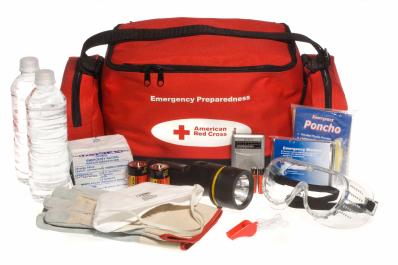
2. FEMA's "Get a Kit" instructions at http://www.ready.gov requires time to purchase and assemble the supplies and that may be a contributing factor to the procrastination cited in the above study. To mitigate that factor, every household could be supplied a voucher or be allowed an income tax deduction for purchase of an approved pre-assembled disaster kit. An example of such a kit, containing a 3 day supply of food, water, first aid supplies, flashlight, radio, batteries, gloves, blanket, poncho, mask, and miscellaneous other items is found on the Red Cross website for under $50.
The cost of the mailings, vouchers, and/or tax deductions would surely be off-set by some saved expenses in federal assistance to those households that would have otherwise gone unprepared.
0 comments