ICEcare
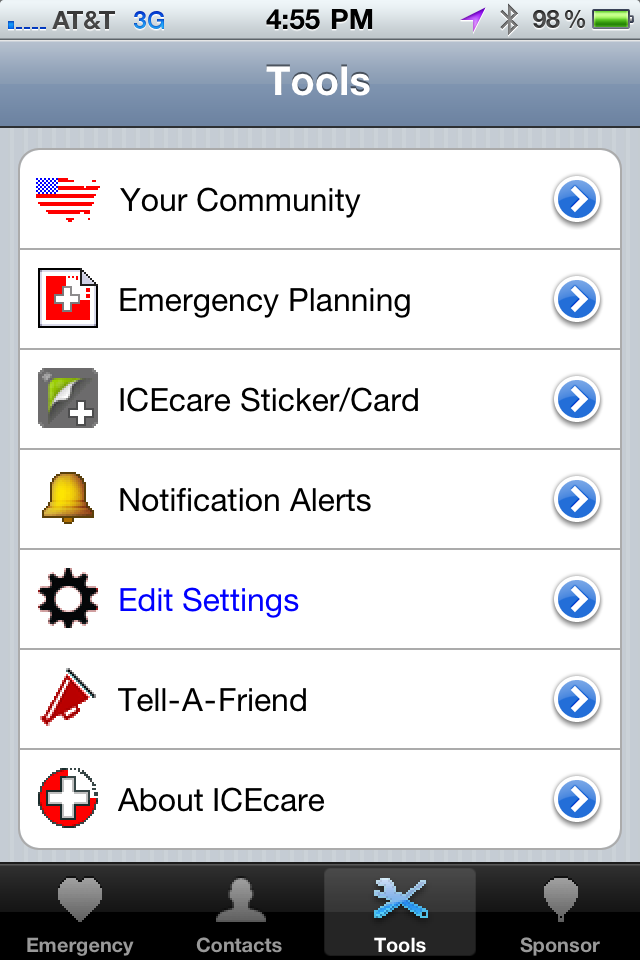
Information is never more important to have and pass along than during a crisis or emergency. Today wireless communication is providing us with a wide array of means to get help when we need it most.
What is ICEcare and what does it offer end-users:
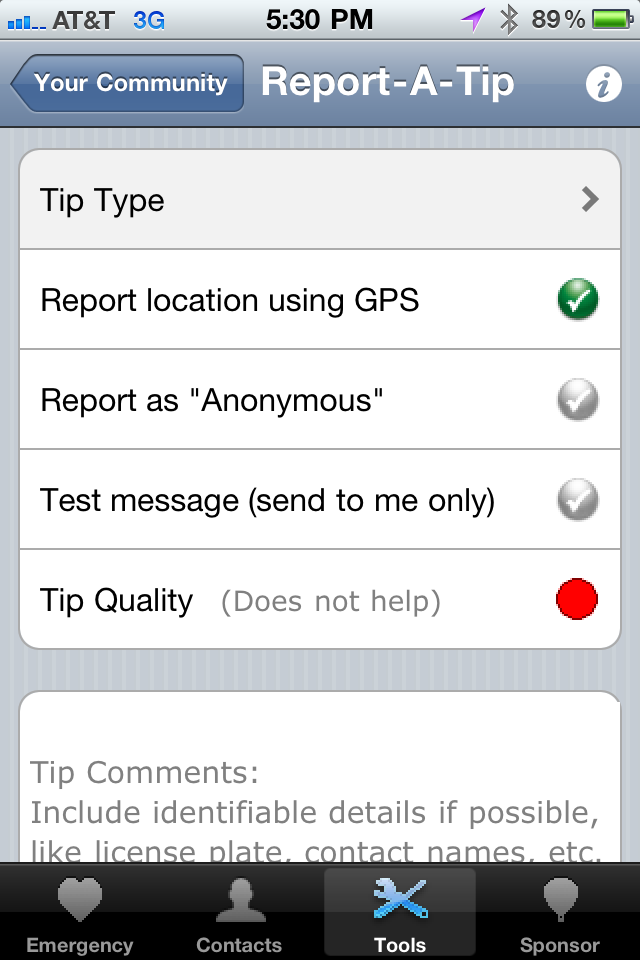
ICEcare is a comprehensive emergency preparedness solution for your mobile phone that provides you and your family the tools you need to prepare for, survive and recover from an emergency or disaster.
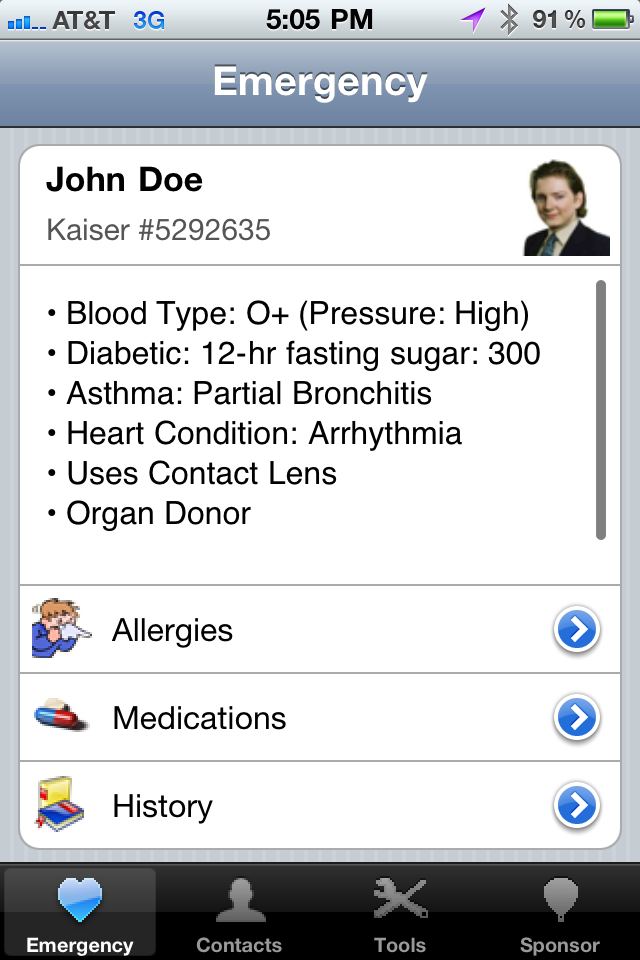
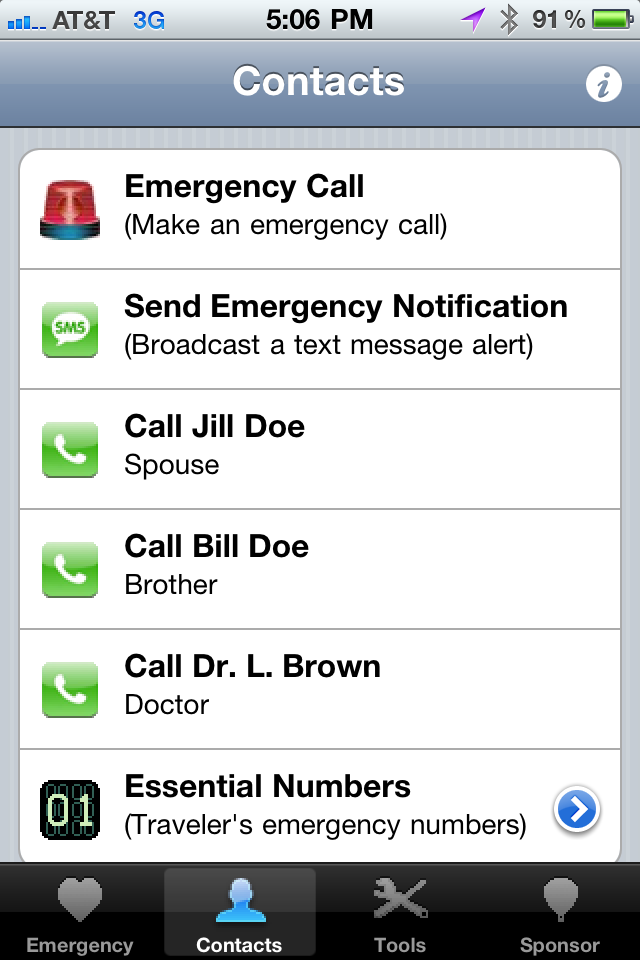
Who will speak on your behalf when you cannot if you are rendered unconscious or incoherent due to an accident or medical emergency? With ICEcare, your mobile handset will contain your critical medical information, health history and pre-selected emergency contacts which will allow first responders and hospital staff access to this vital information so they can provide the best care possible for you or your loved ones during an emergency.
ICEcare is the only mobile solution that can provide your critical medical information and emergency contacts even if your phone is locked or inoperable (Patents Pending). ICEcare offers you a sticker with a unique identification number that adheres to the back of your mobile phone (or drivers’ license) and identifies that your critical medical information and emergency contacts are available at ICEcare.net (stored in the cloud). This redundant feature is available only if you have an ICEcare profile stored on ICEcare.net and acquire the ICEcare Sticker. ICEcare can be installed on your mobile devise with or without your data stored on ICEcare.net (in the cloud). If your phone is locked or inoperable ICEcare will NOT be able to provide your critical information to 1st responders and hospital staff unless you have your information stored on ICEcare.net and the ICEcare sticker applied to the phone or drivers license.
In addition your ICEcare information stored on the handset and the cloud can be locked or deleted remotely from any internet enabled devise in the event your mobile phone is lost or stolen.
Examples of information stored in ICEcare include: your personal medical conditions, medications/prescriptions you are currently taking, brief health history, allergies, emergency contacts, personal doctor contact information, photograph and health insurance information. Since this information is stored on the handset the phone does not have to be network enabled for first responders to have access to your critical information. You provide as much or little information as you want into ICEcare.
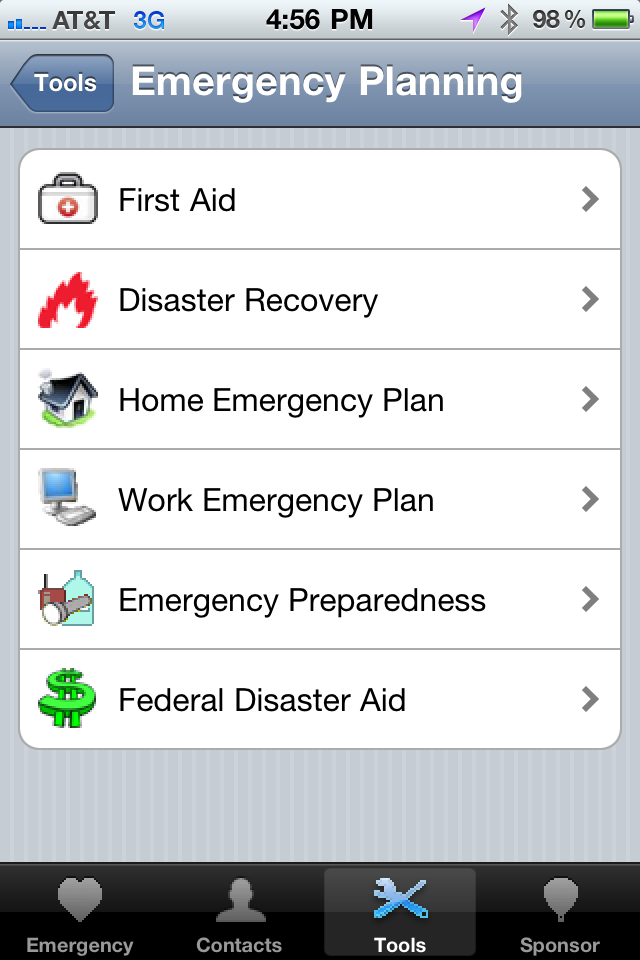
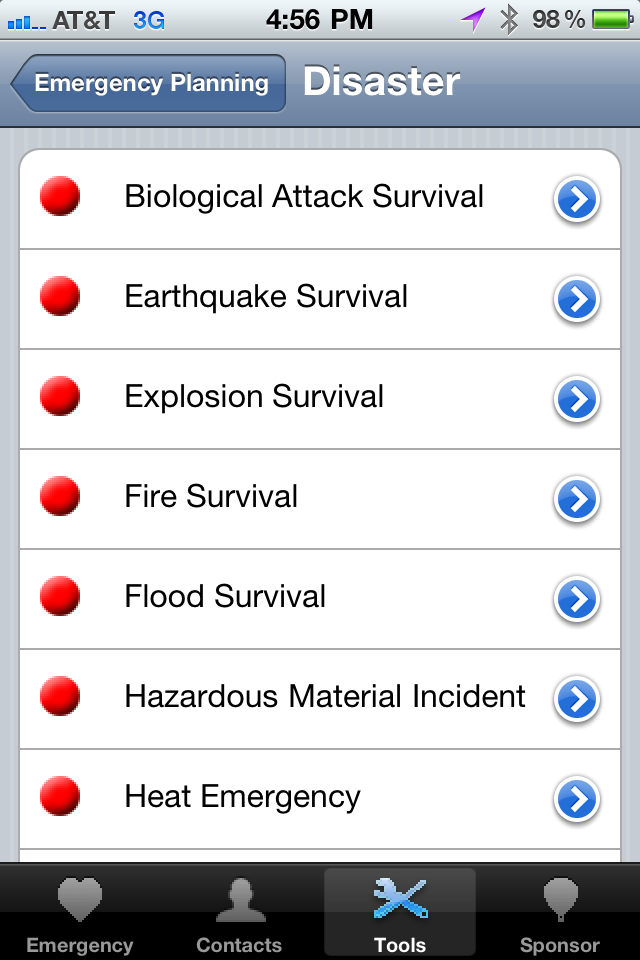
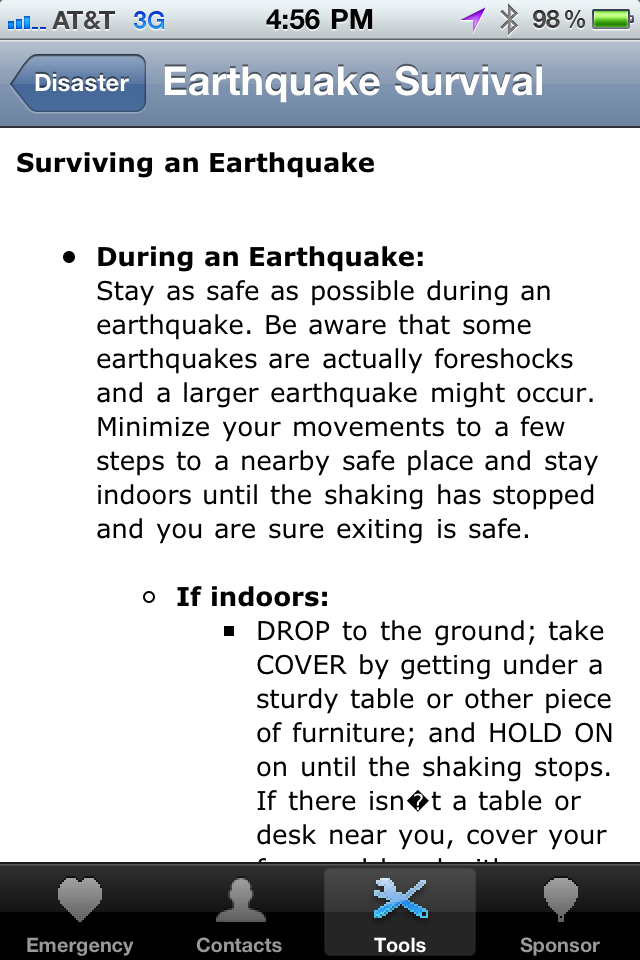
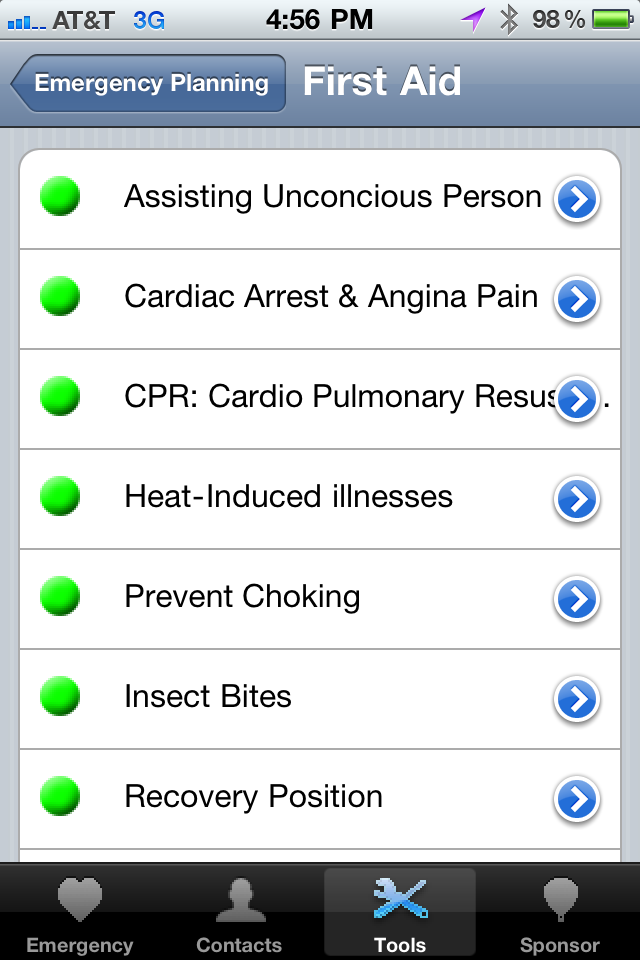
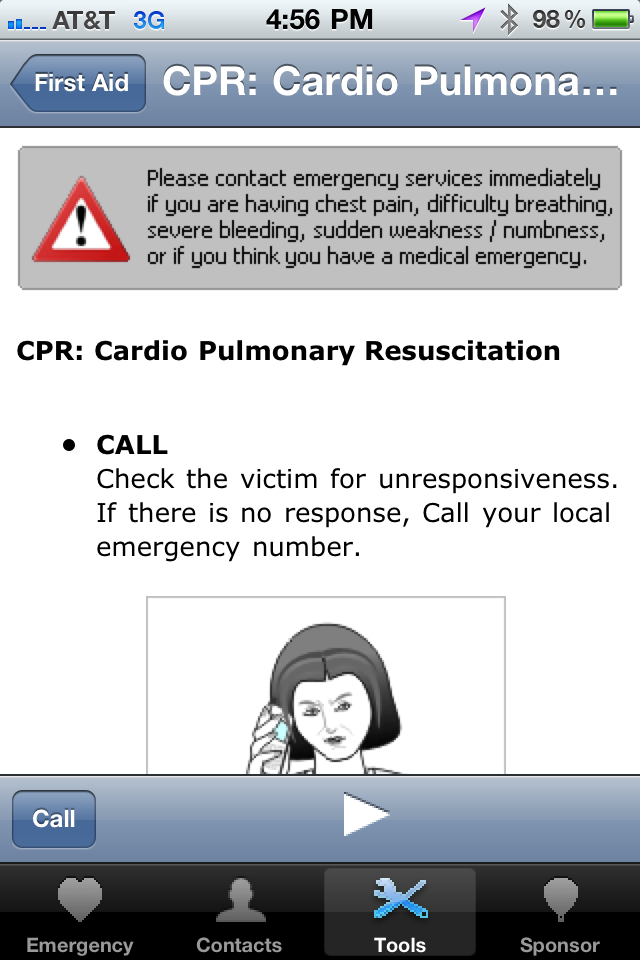
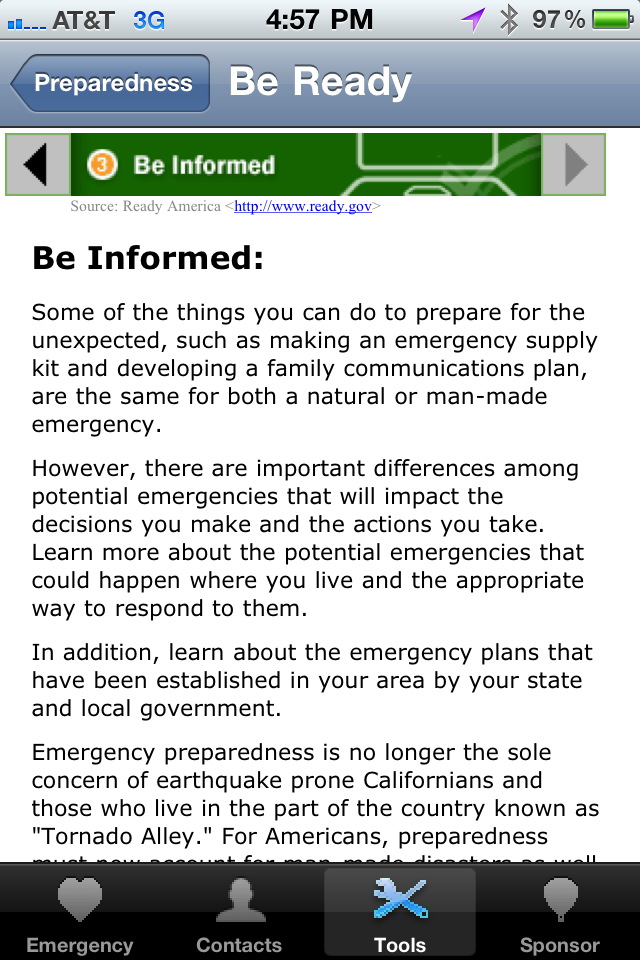
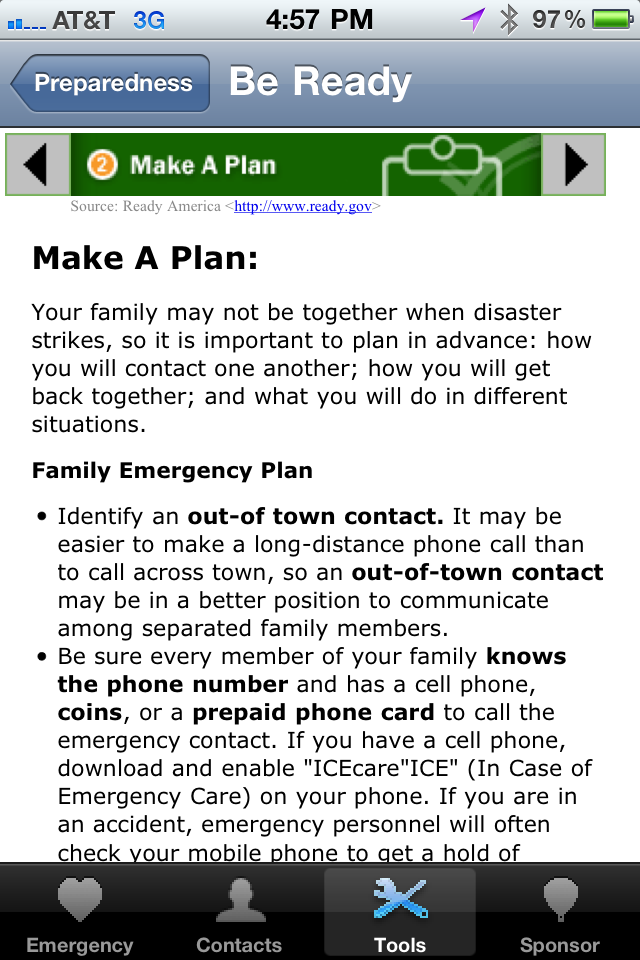
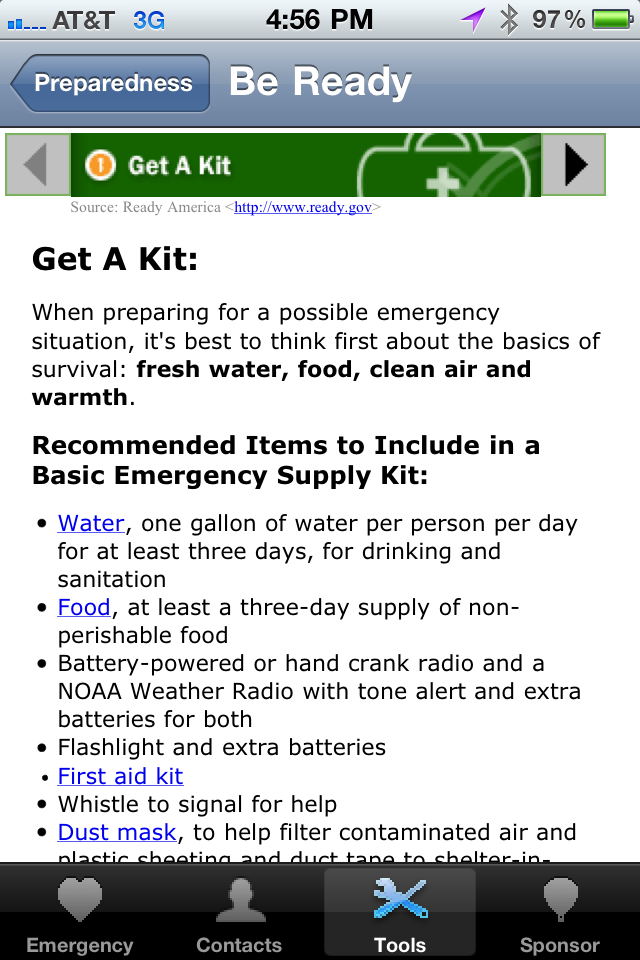
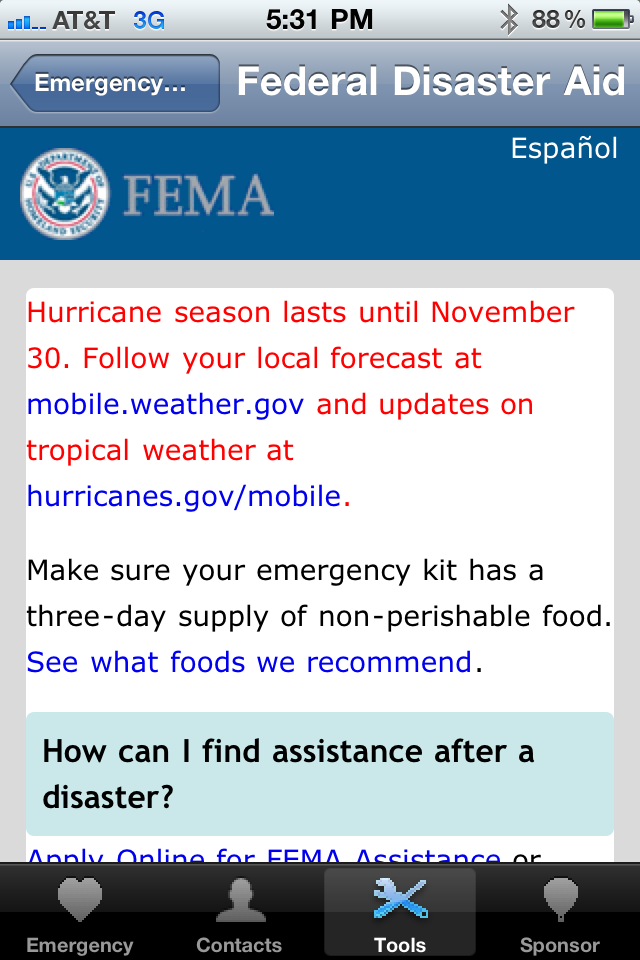
When ICEcare is not being used in an active emergency, the product was designed to an educational tool to help train you, your family and co-workers (ICEcare can be provided by employers to their staff) to plan for and prepare for emergencies… some of the tools provided include: first aid training, building and practicing and distributing family and work emergency plans and more. In short, ICEcare helps you learn what to do before an emergency (training and preparedness), during an emergency (providing vital personal health information) and after an emergency (what to do now that a disaster has happened, who to contact, where to go, how to remain safe and survive, etc). ICEcare also provides in-depth information on specific hazards including what to do before, during, and after each hazard type. The following hazards are covered: Floods, Tornadoes, Hurricanes, Thunderstorms and Lightning, Winter Storms and Extreme Cold, Extreme Heat, Earthquakes, Volcanoes, Landslide and Debris Flows (Mudslide), Tsunamis, Fires, Wildfires, Hazardous Materials Incidents, Household Chemical Emergencies, Nuclear Power Plant, and Terrorism (including Explosion, Biological, Chemical, Nuclear, and Radiological hazards). All of this information is stored directly on the handset; customers have access to this information even if they have no network connectivity.
A recent survey found that only half of Americans have put together an emergency kit, and less than half – only 40 percent – have created a family emergency plan. I cannot emphasize enough just how problematic this could prove in a catastrophic environment, not only to the households, but to the efficacy of the overall incident management effort. Every family that fails to take even the most basic preparedness actions, such as having sufficient water and non-perishable food to support the family for at least 72 hours, is a family that will pull responders and critical resources away from those who truly need such assistance, both the casualties of the disaster, and our most vulnerable populations, such as persons with disabilities, the elderly and children… Having a family disaster plan, keeping supplies for basic survival needs, and staying informed are the responsibility of every person.
0 comments