Congregation/OES Partnership in Community Perparedness and Response

Peninsula Clergy Network San Mateo County California
www.peninsulaclergynetwork.org pcn@blueconnect.org
I. The Need - To achieve widespread increase in institutional resources to enhance community based disaster preparation and response.
- To increase the number of households with disaster plans and supplies.
- To provide a support for individuals between the time of a disaster and the availability of emergency services resources.
II. The Opportunity - The emergence of a unique resource in comprehensive community strategic planning, the Peninsula Clergy Network (PCN), the nation’s first formal, inclusive, geographically based association of clergy.
- The PCN has assembled an array of tools including a county-wide database of the 350 clergy, mapping for congregations on a city by city basis, structure of communication among clergy and with civic leaders.
- These tools are available to enlist the clergy and the congregations they represent in a planned process to increase the number of prepared households and to provide response centers at the time of a disaster.
- The structure of the PCN has been developed with the intent of providing a model, and components of the model as applied to specific projects, which can be duplicated in other counties.
III. The Framework - The incorporation of congregations as a neighborhood resource for sites, personnel and coordination, so that congregations become the “neighborhood institution” to foster greater preparation, support of immediate response, and coordination of assistance to at risk individuals and unexpected circumstances.
- Geographic division into cluster areas and designation of all congregations as a Core Congregation and Support Congregation.
- Selection of a Team, anchored at the cluster congregations to include representatives from each congregation, law enforcement, fire, the Office of Emergency Services, the Red Cross, non-profits and business.
- A Team designed process to increase the number of prepared homes in the cluster neighborhoods through the effort of multi-congregational groups working in the neighborhoods.
- System in which the congregations provide the focus for the pre-assigned personnel and visible and publicized centers for response.
IV. Goal – A transformation in the structure of preparation and response.
- To increase the number of prepared individuals prior to a disaster.
- To give individuals seamless support in the initial phase of the incident and continued support as local/regional/state and national government and emergency response agencies phase in services to cluster areas.
Congregational Support in Disaster Preparedness and Response
Three Year City Pilot – Phase I and the next step in shared prepredness for individuals and neighborhoods
A Concept and methodolity to achive NEIGHBOR TO NEIGHBOR (N2N)
Overview
The Peninsula Clergy Network has successfully concluded the city pilot phase of the PCN Project on Disaster Preparedness and Response (DPR). The key components of this pilot are the design and implementation of the “Congregational Certificate in Disaster Preparedness and Response” and a “Neighborhood Disaster Drill.”
This plan engages all 250 congregations in San Mateo County in (1) the preparedness of individuals throughout the community, and (2) the formation of a system of core congregations designated as “Neighborhood Response Centers” and “Neighborhood Shelters” throughout the community. This is a major step forward, providing individuals with a support structure for the first critical hours and days following a disaster.
Congregational Certificate in DPR
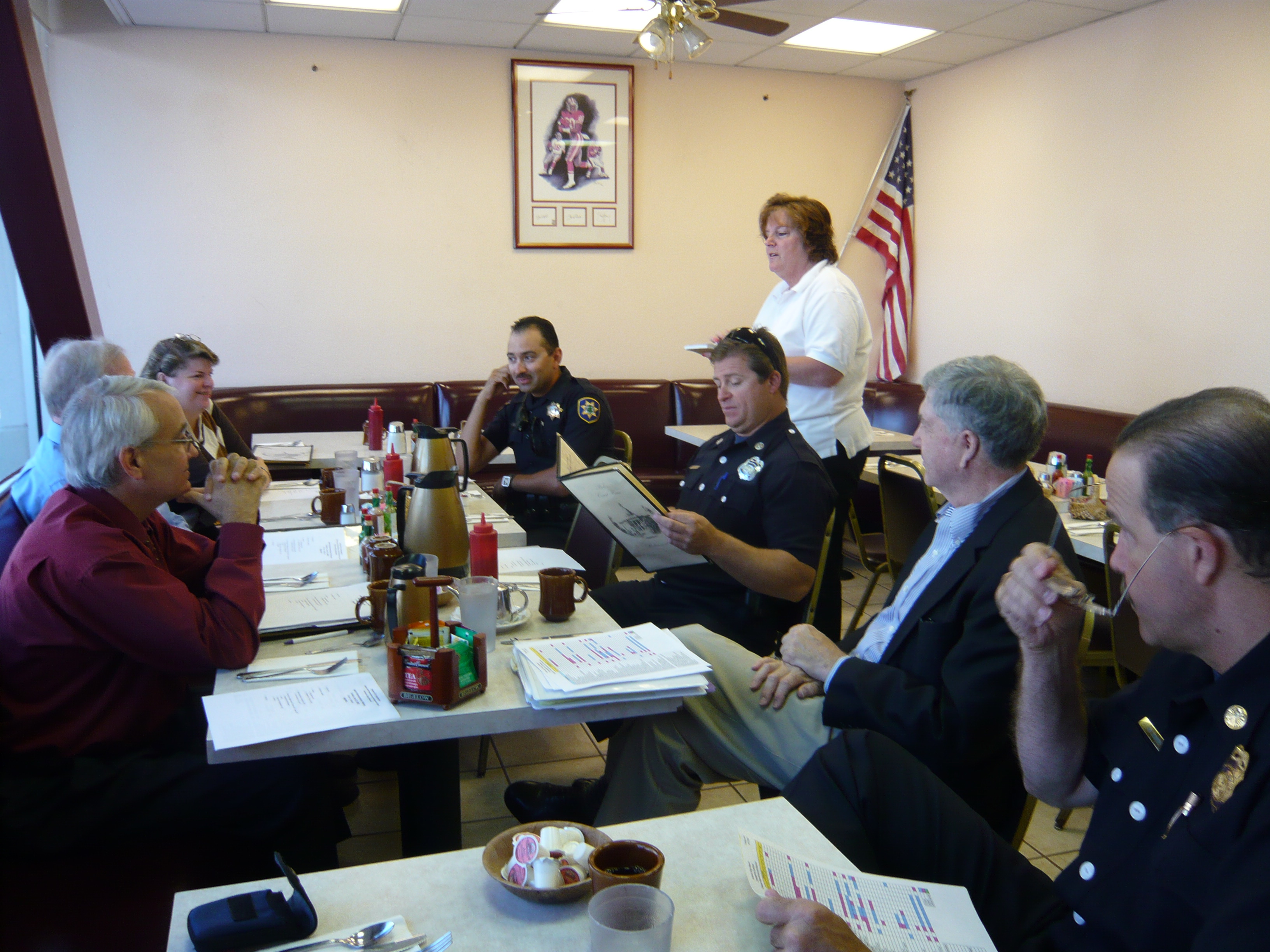
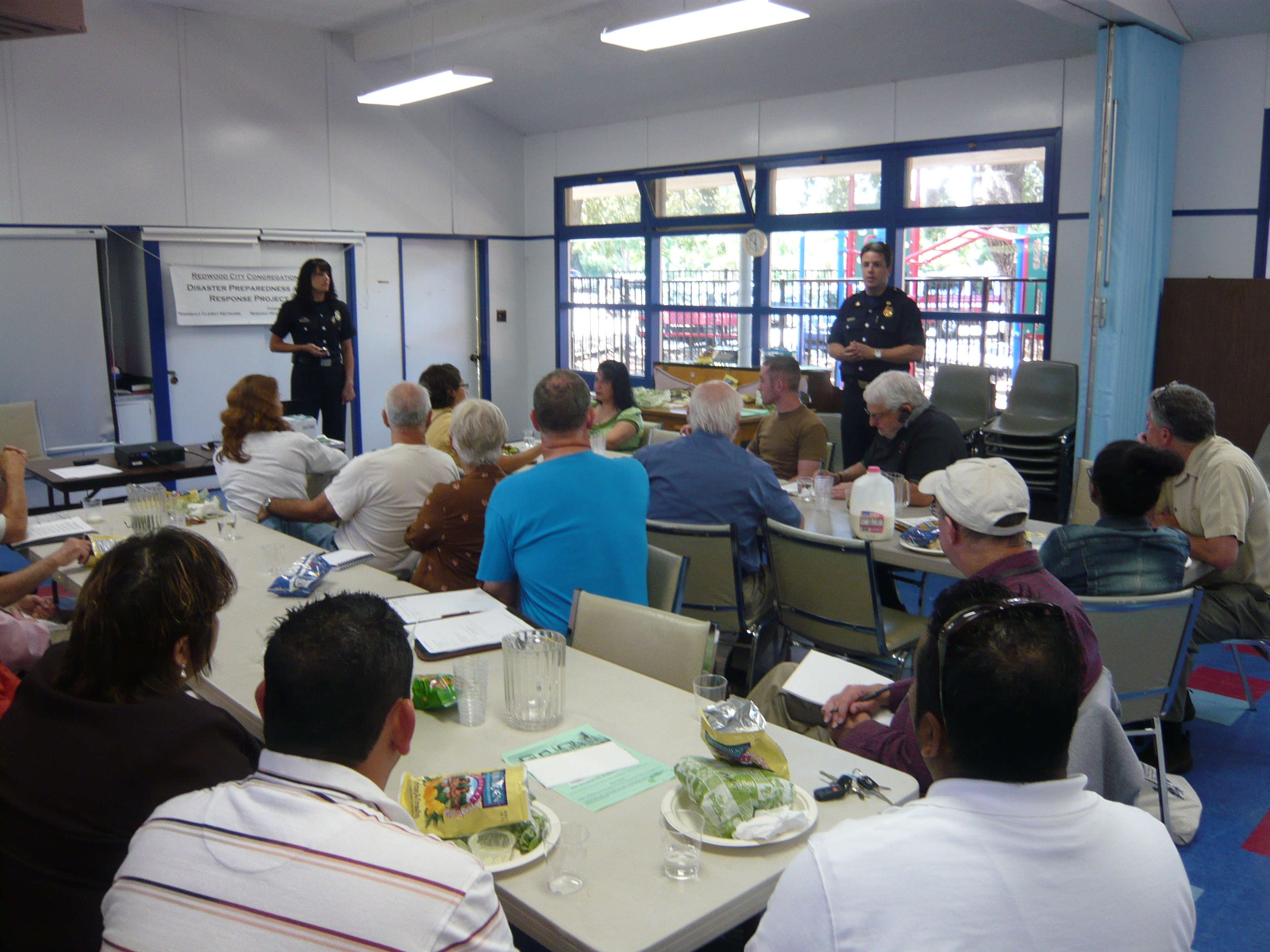
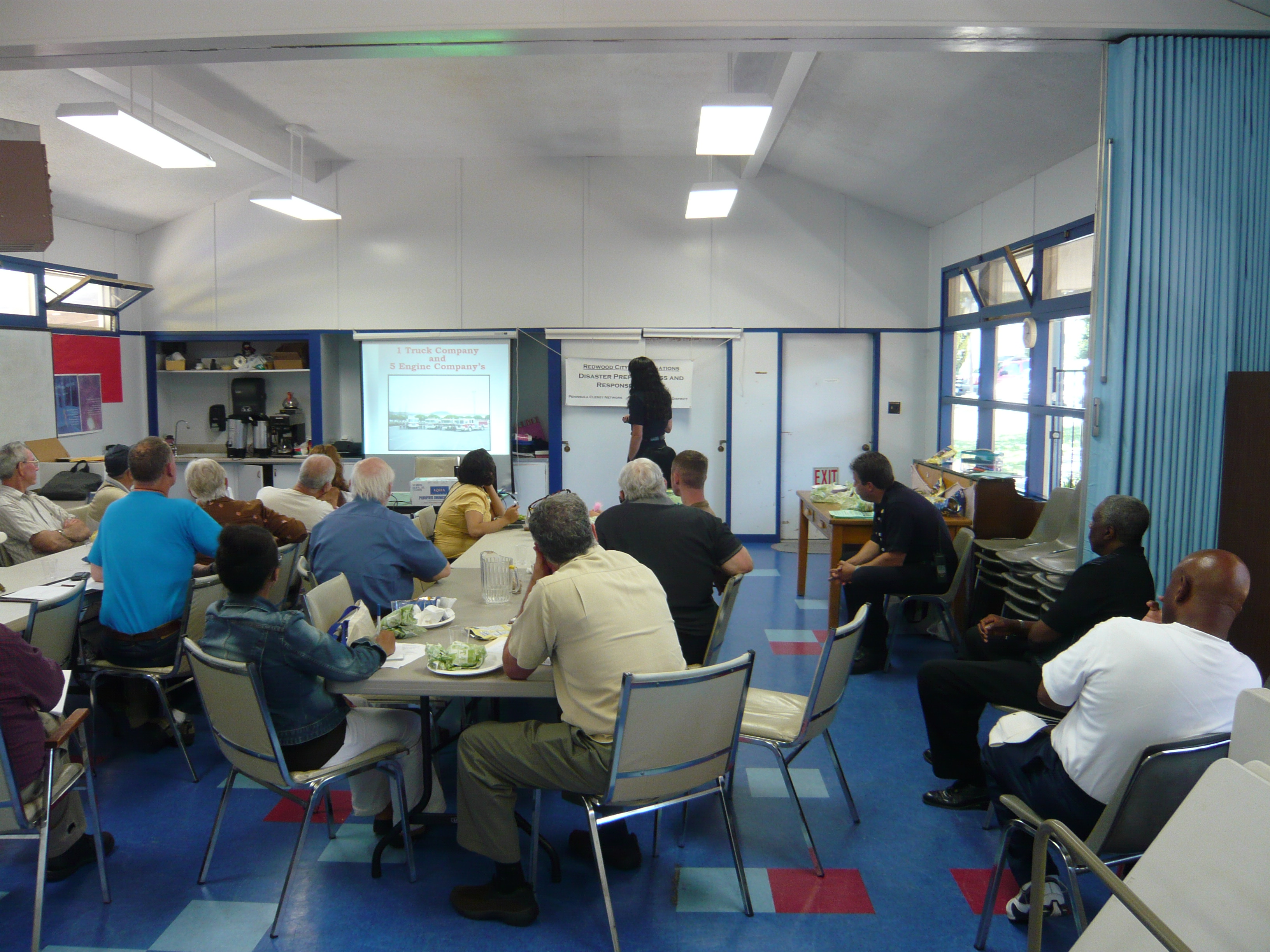
The certificate process was launched with a letter from the Redwood City Police and Fire Chiefs to all the clergy serving Redwood City’s 50 congregations. The PCN staff tracked the progress of each congregation in completing certificate items. The staff were on site to monitor the implication of each certificate item. Congregational representatives met monthly to exchange experiences and make recommendations for adapting the process for various certificate items. The first group of congregations to earn their certificates were presented with proclamations by Redwood City at a City Council meeting.
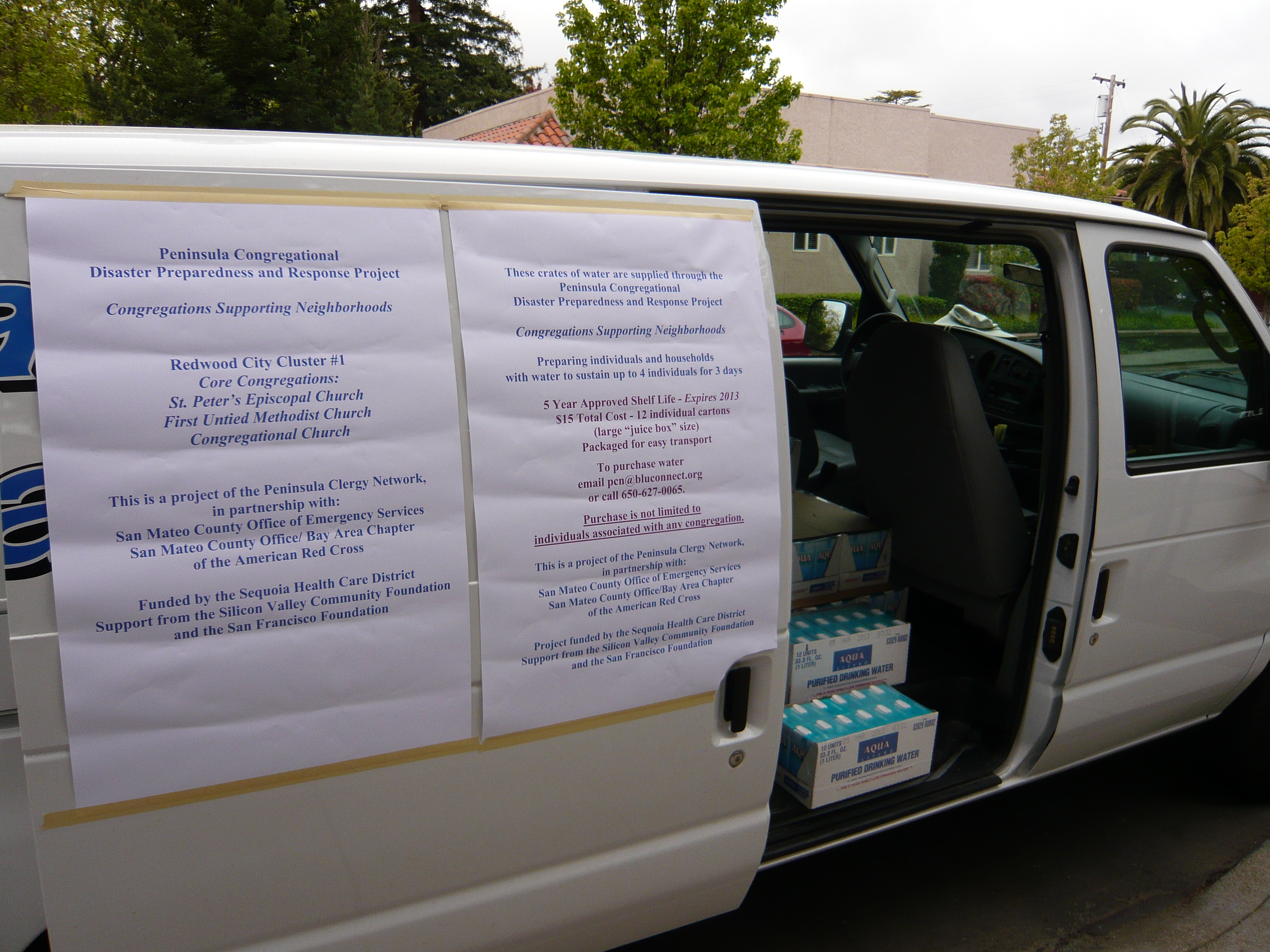
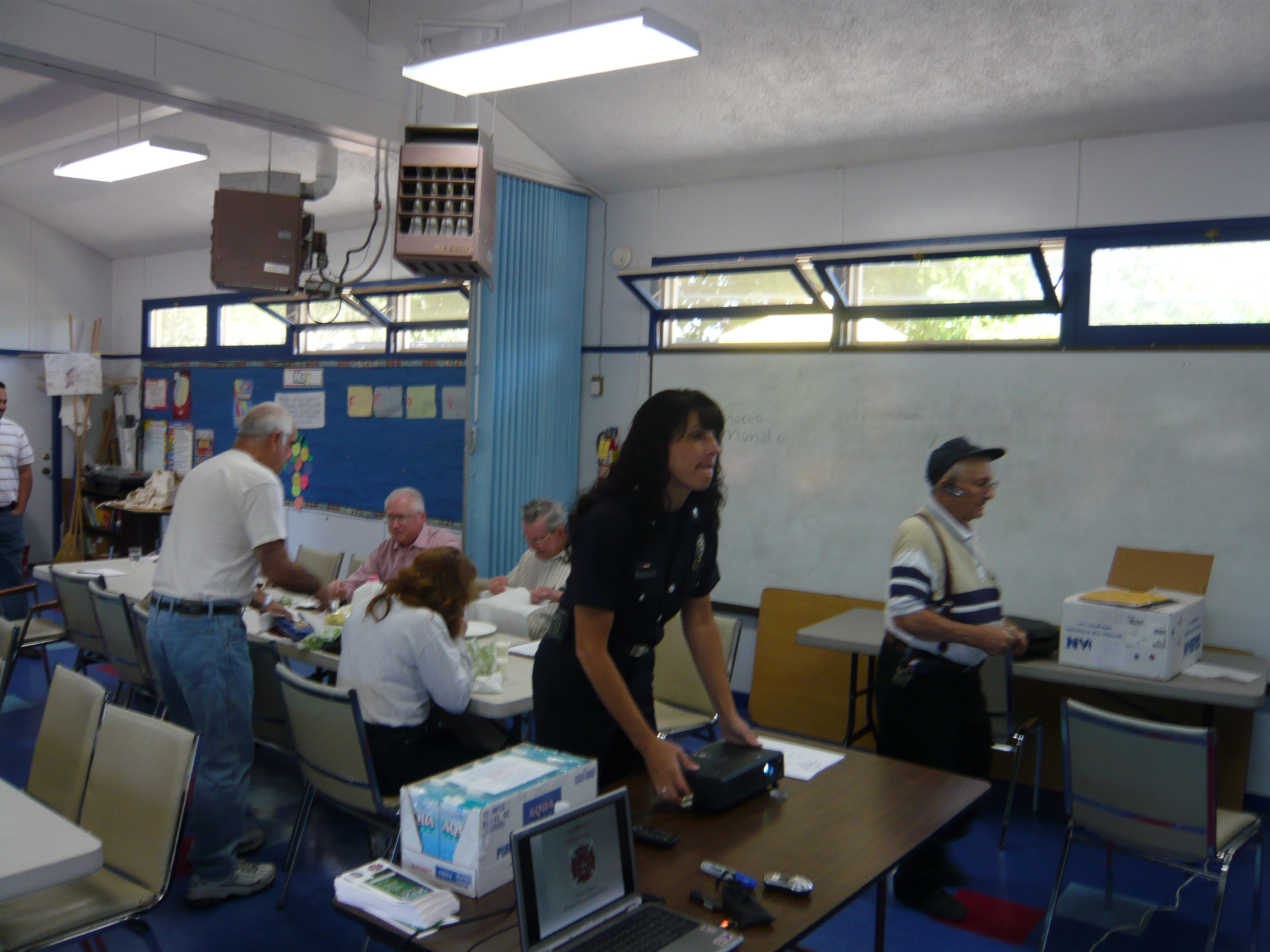
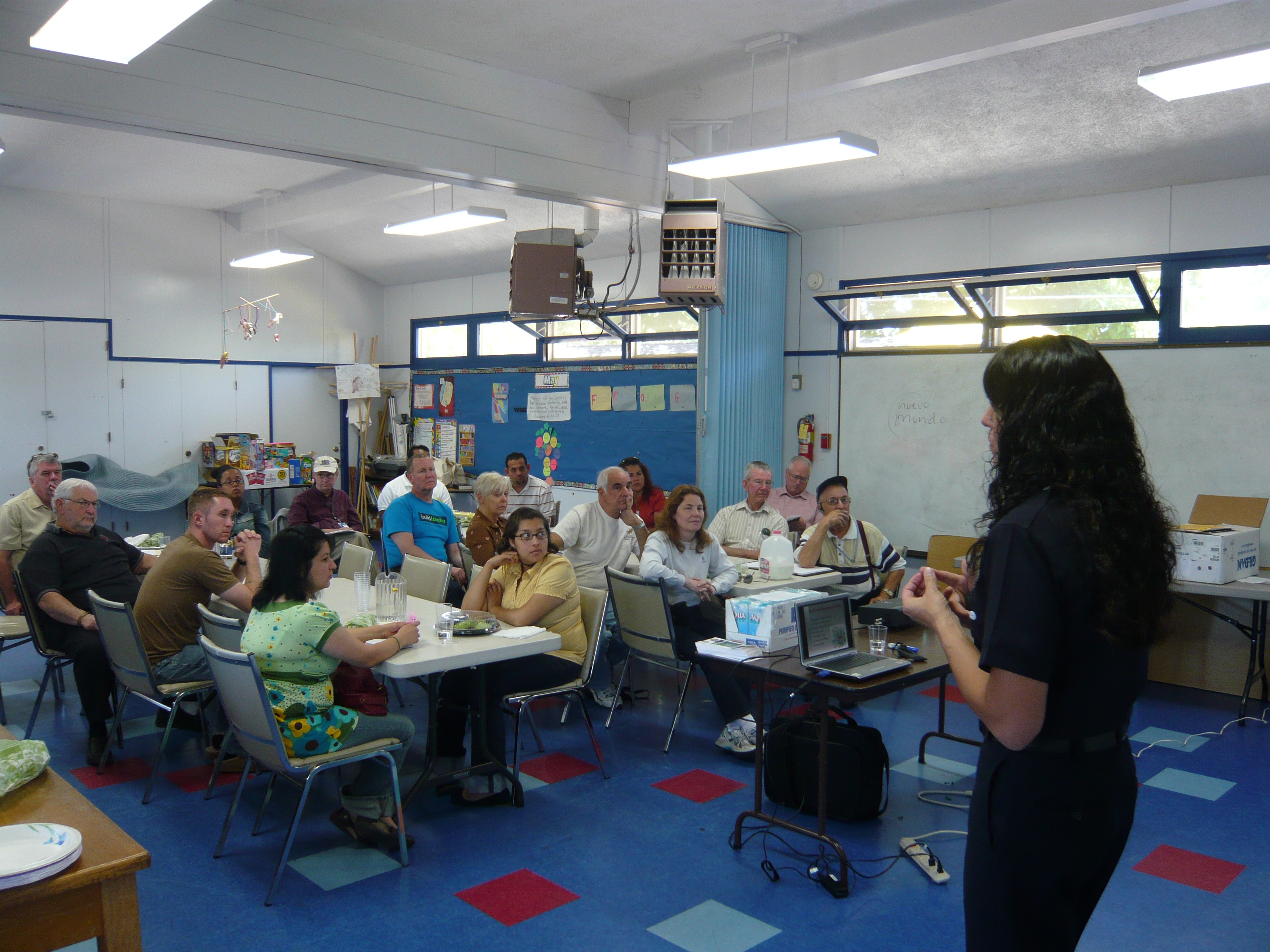
Congregations joined with the city to provide the distribution of water with Guides to Personal Preparedness, planned and conducted evacuation drills during worship and children’s programs, shared in a staff training on what to do on site at the time of a disaster, and engaged in the other components of the Certificate.
Neighborhood Disaster Drill
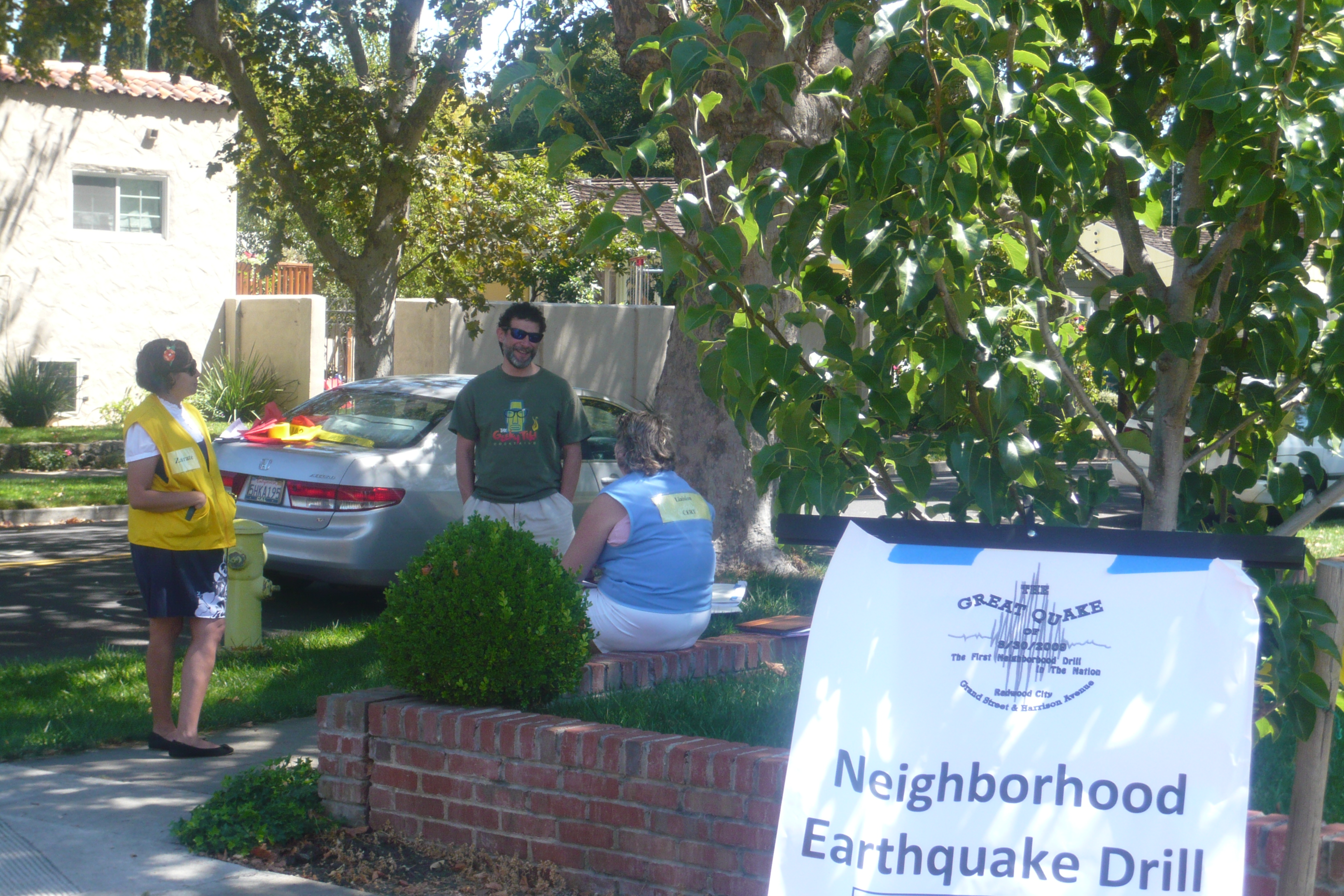
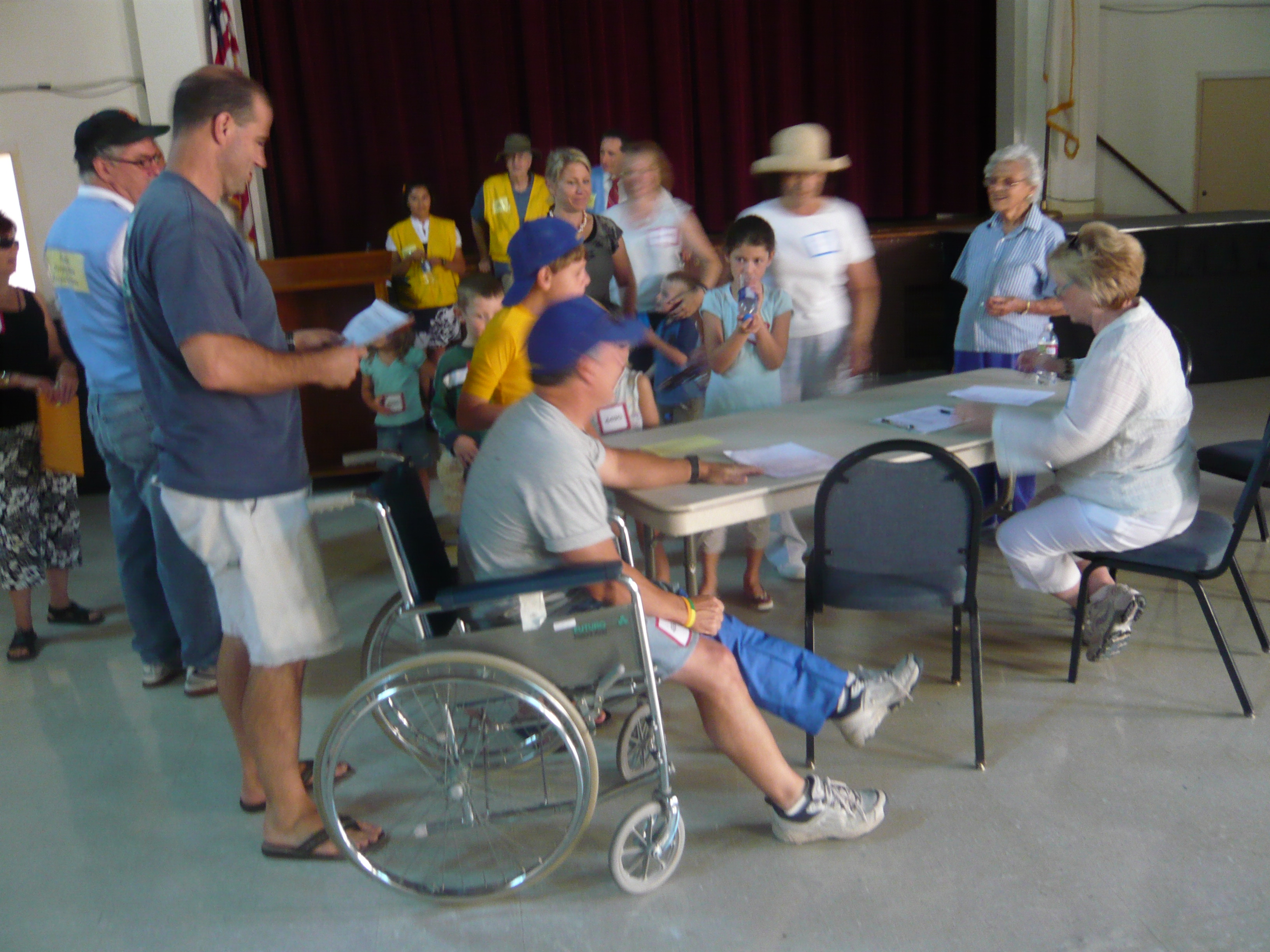
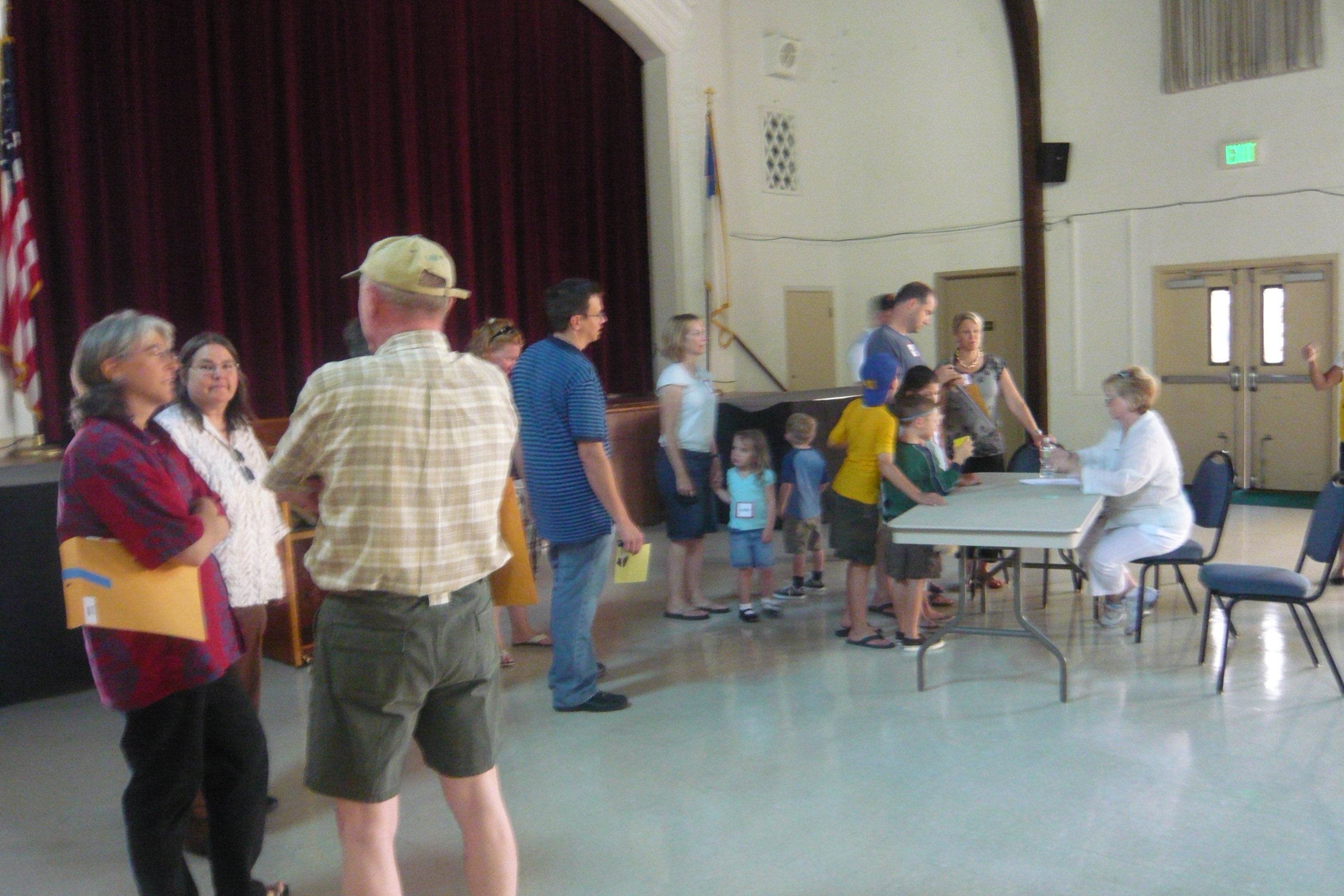
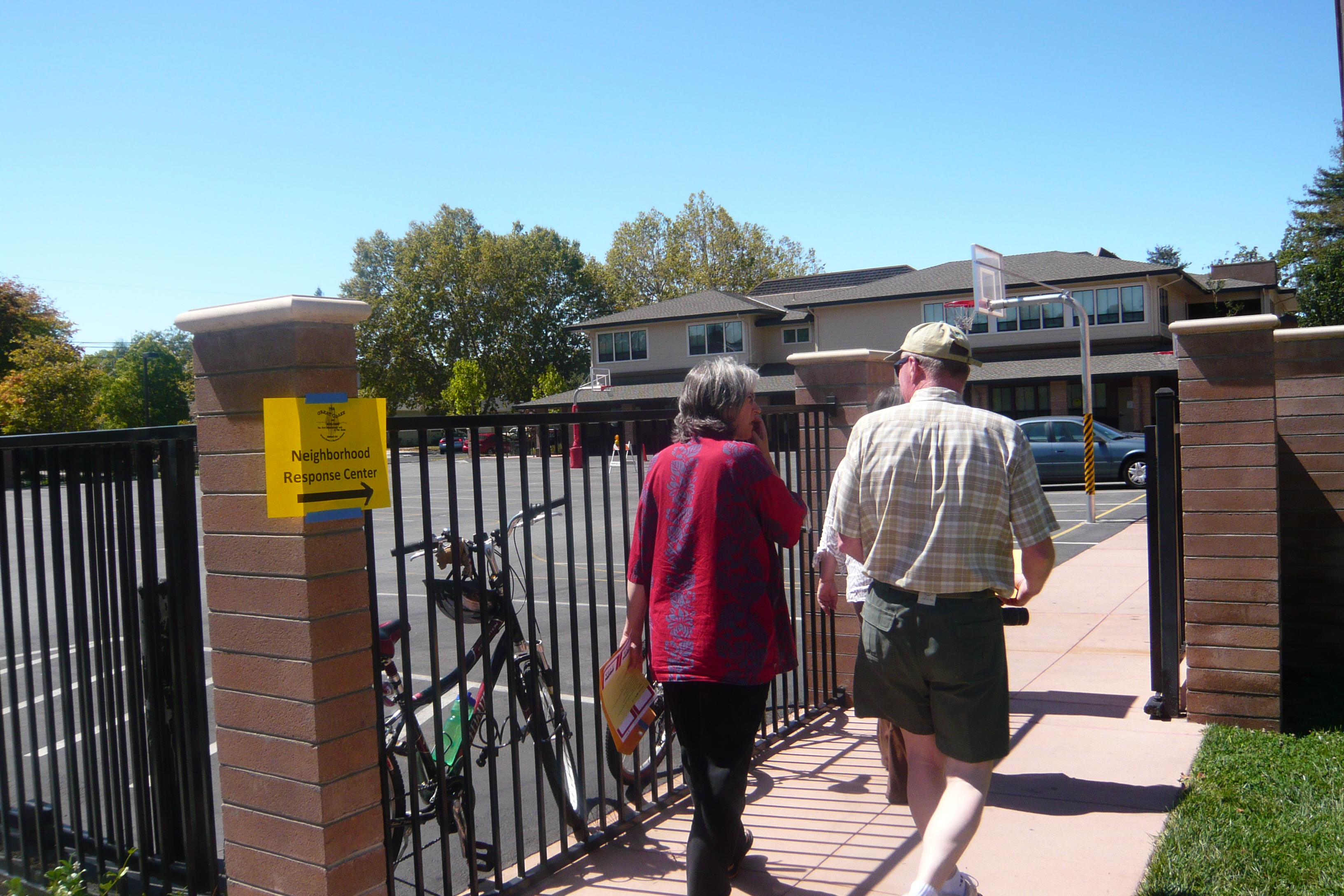
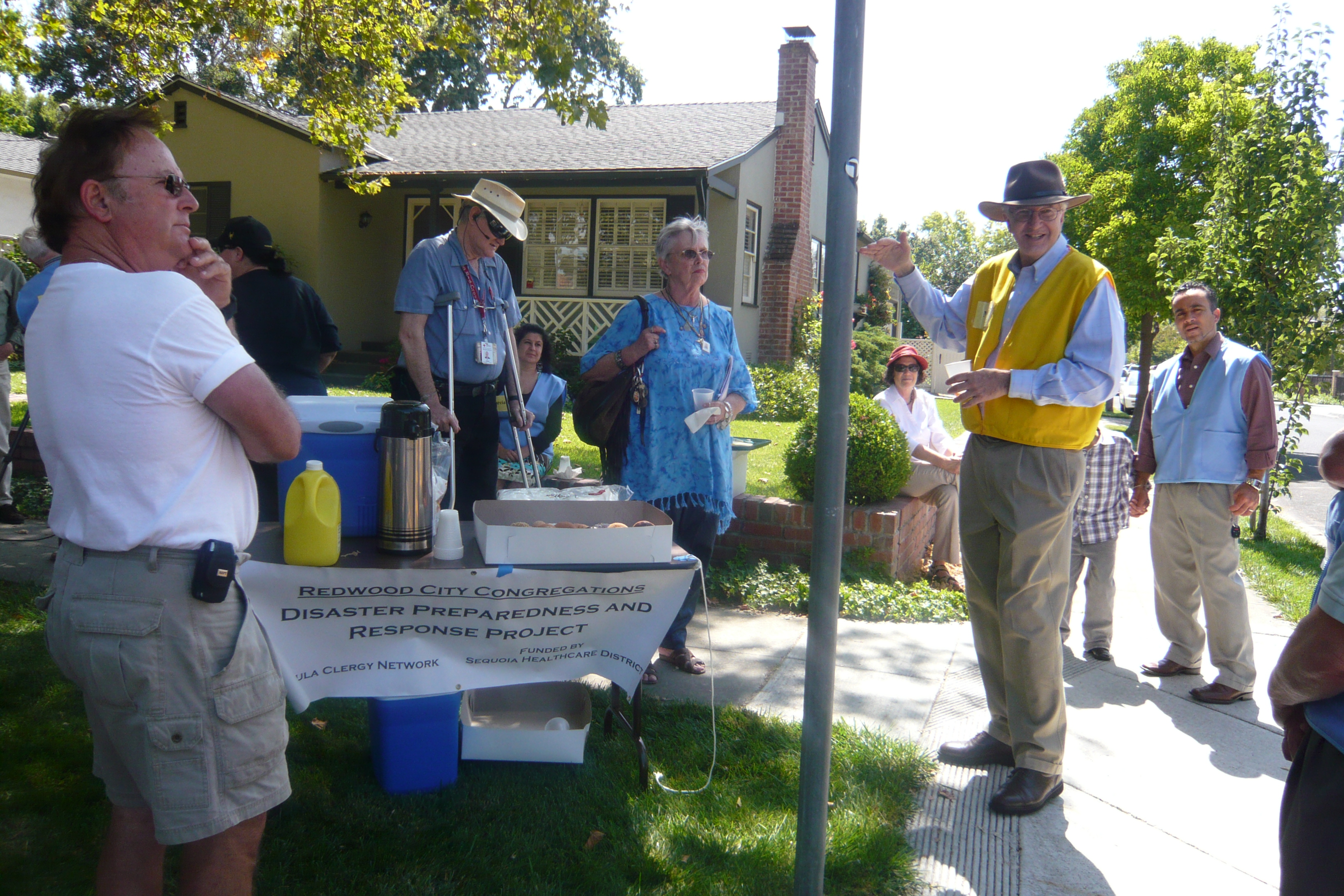
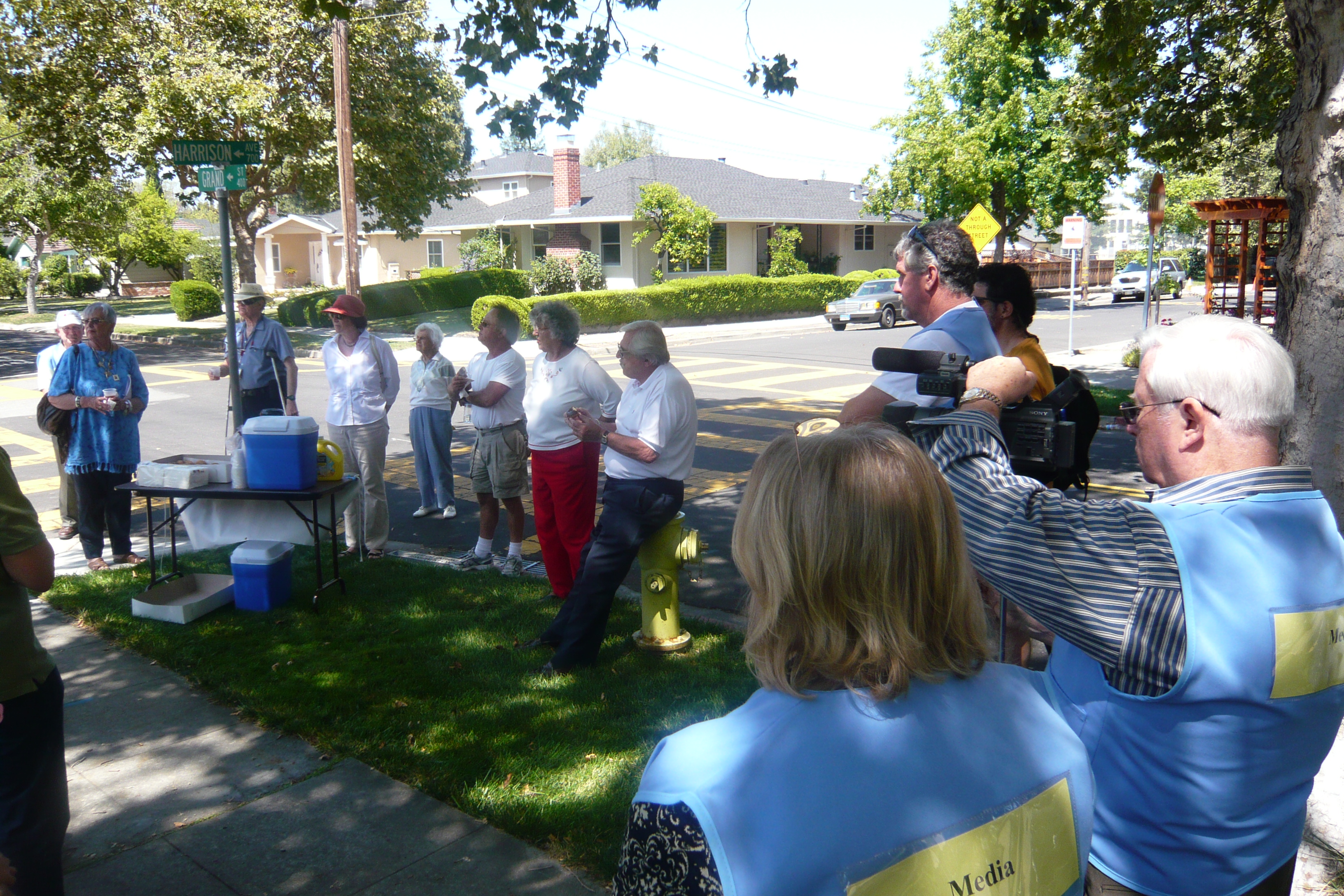
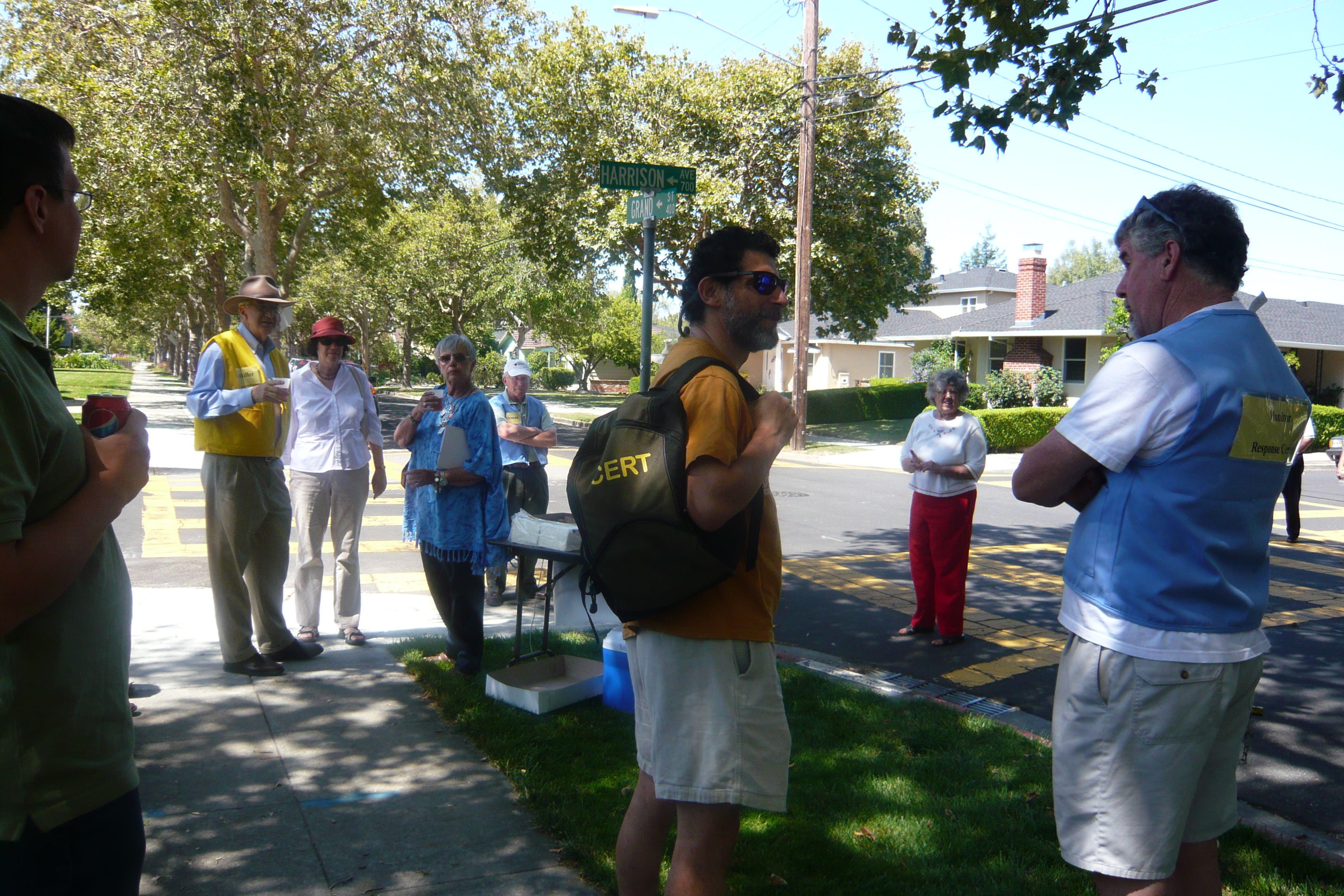
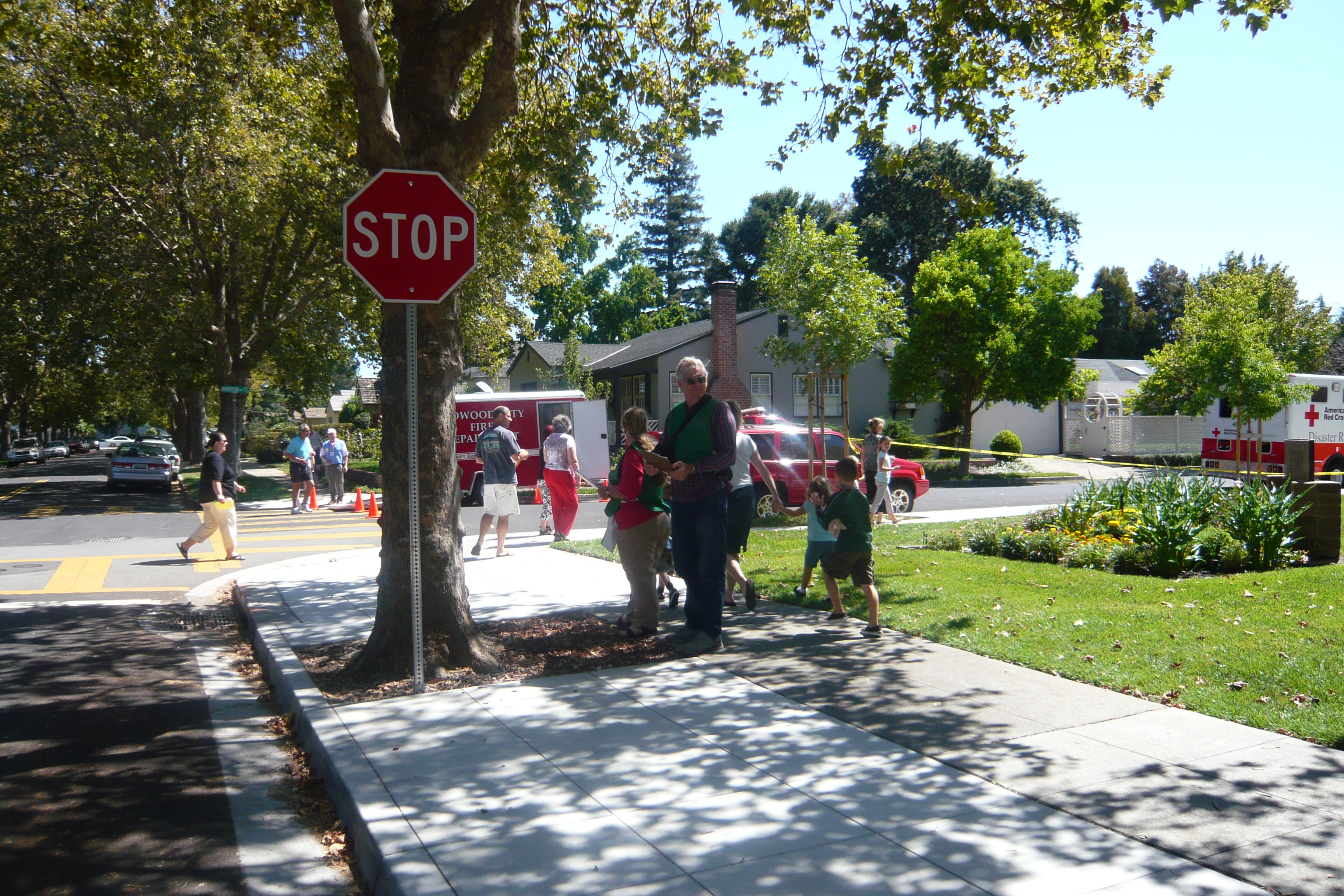
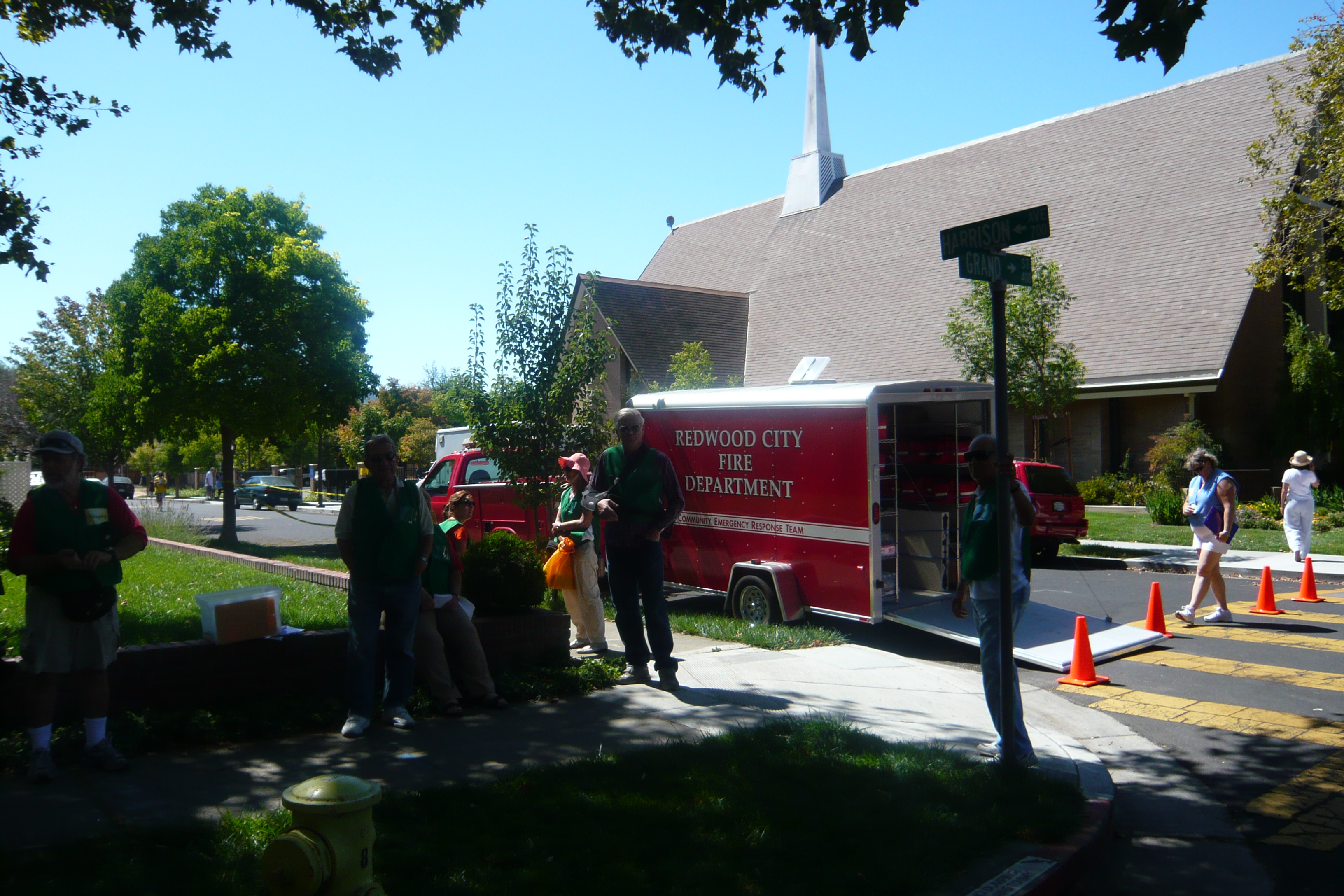
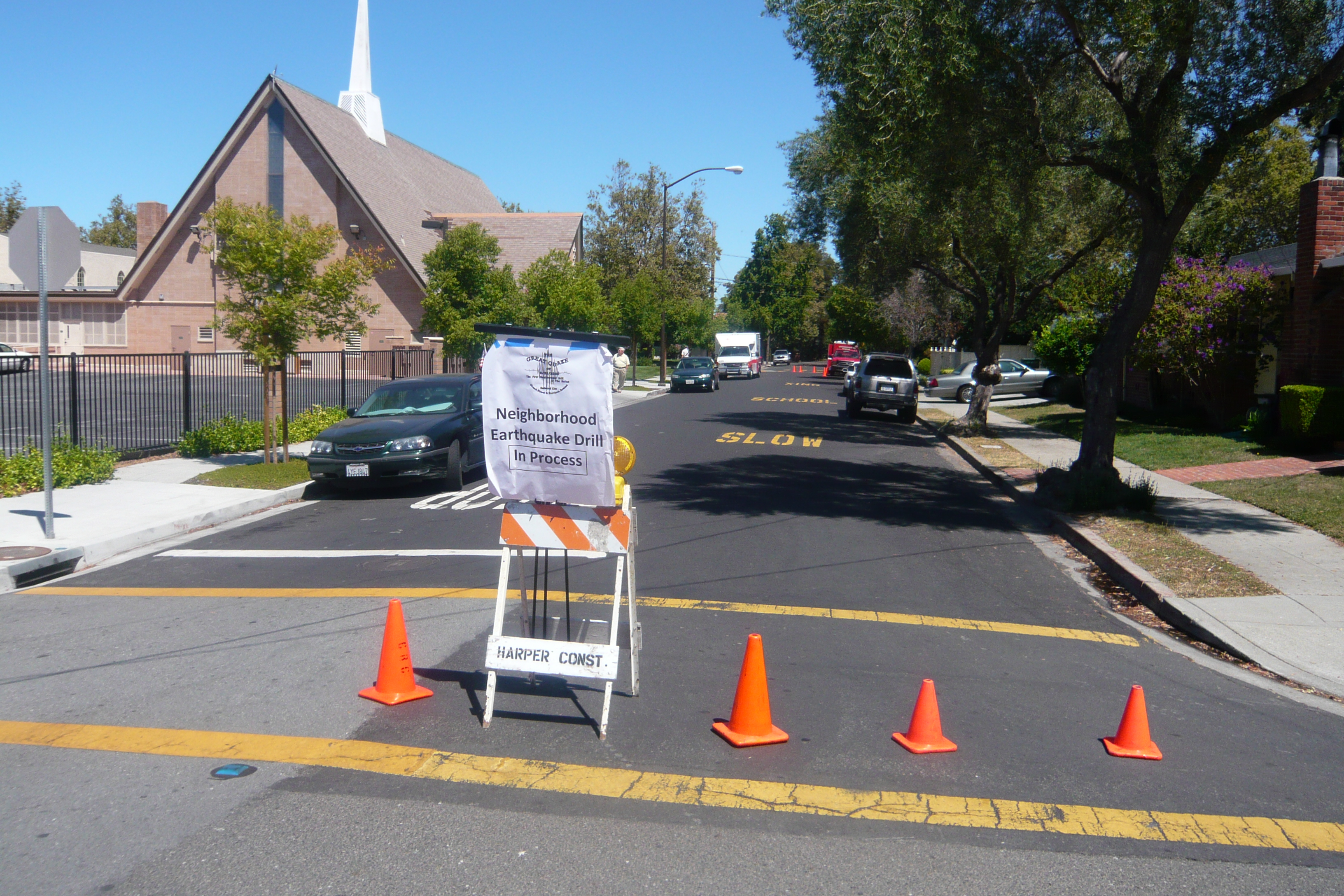
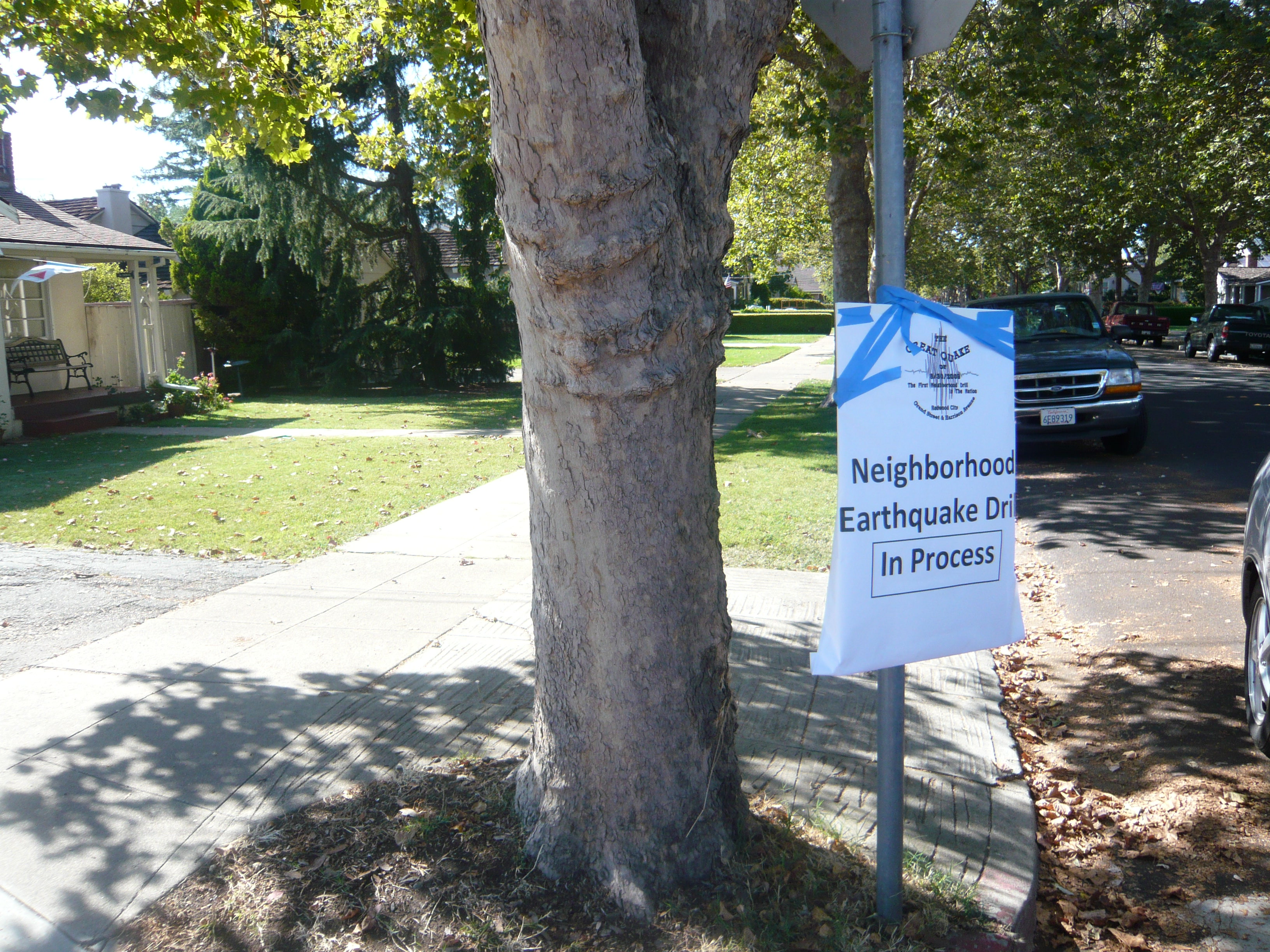
The “Neighborhood Disaster Drill” was the first such drill in the nations and provided the first opportunity nationally to observe individuals in their homes responding to earthquake scenarios. The drill also tested the system of core congregations serving neighborhoods from the moment of the disaster.
Current community systems are devoted to the pre-disaster preparation of individuals and the post disaster response of emergency services. For all residents, support will not be available at the moment of the disaster. For the vast majority of residents, organized support will not be available for days. This drill provided the unique opportunity for assessment of that gap as it relates to the functions of individuals from the moment of the disaster to the availability of emergency services.
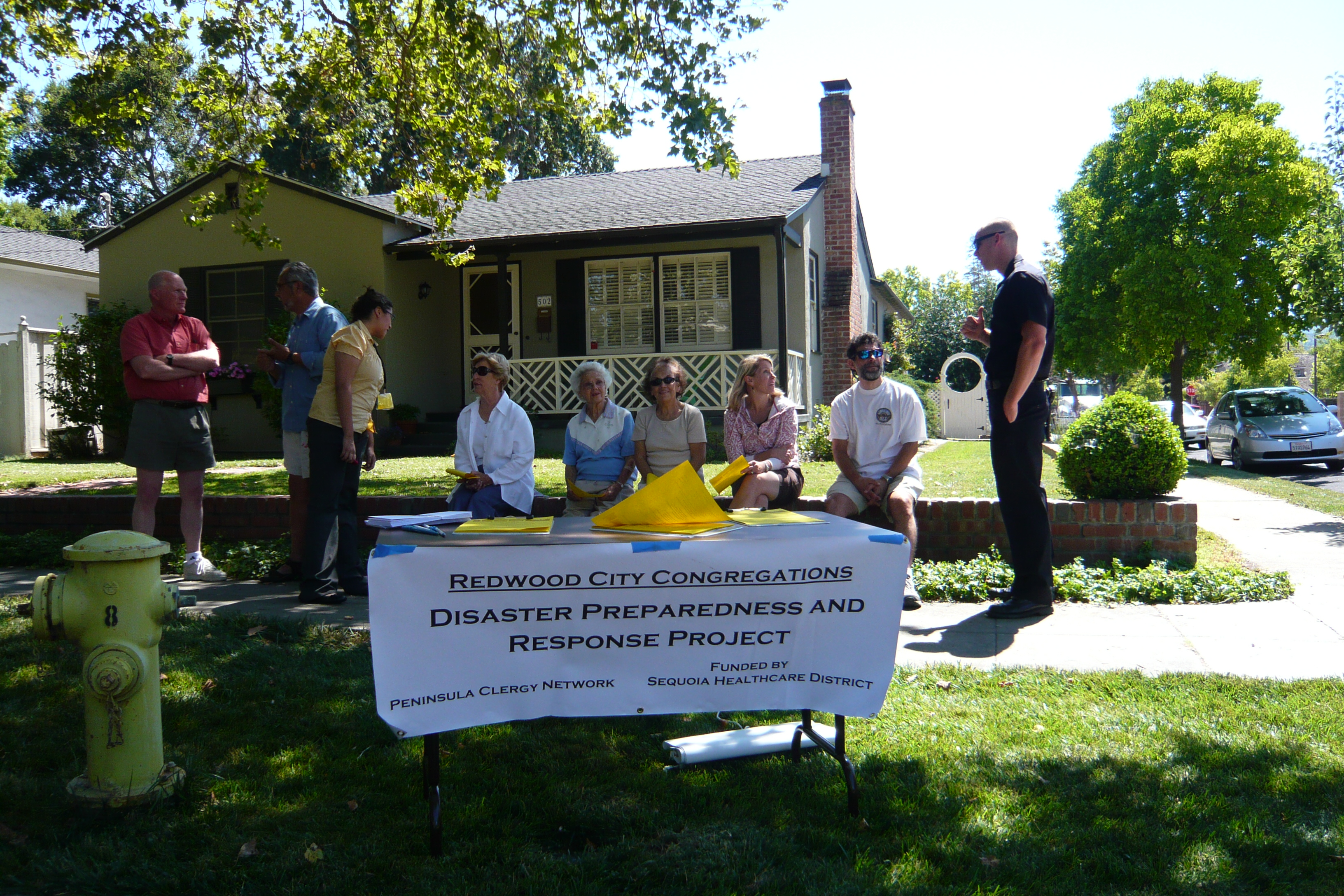
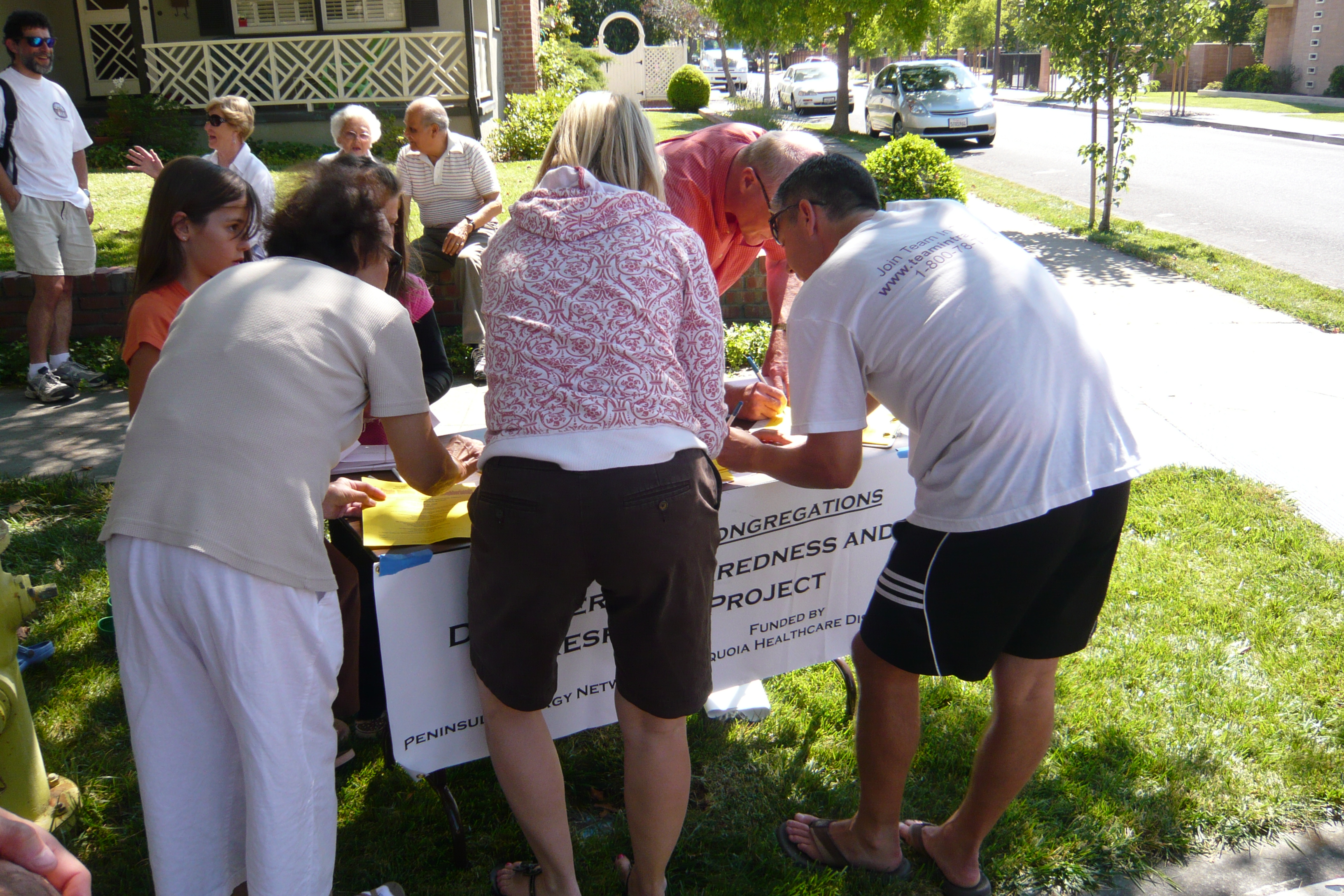
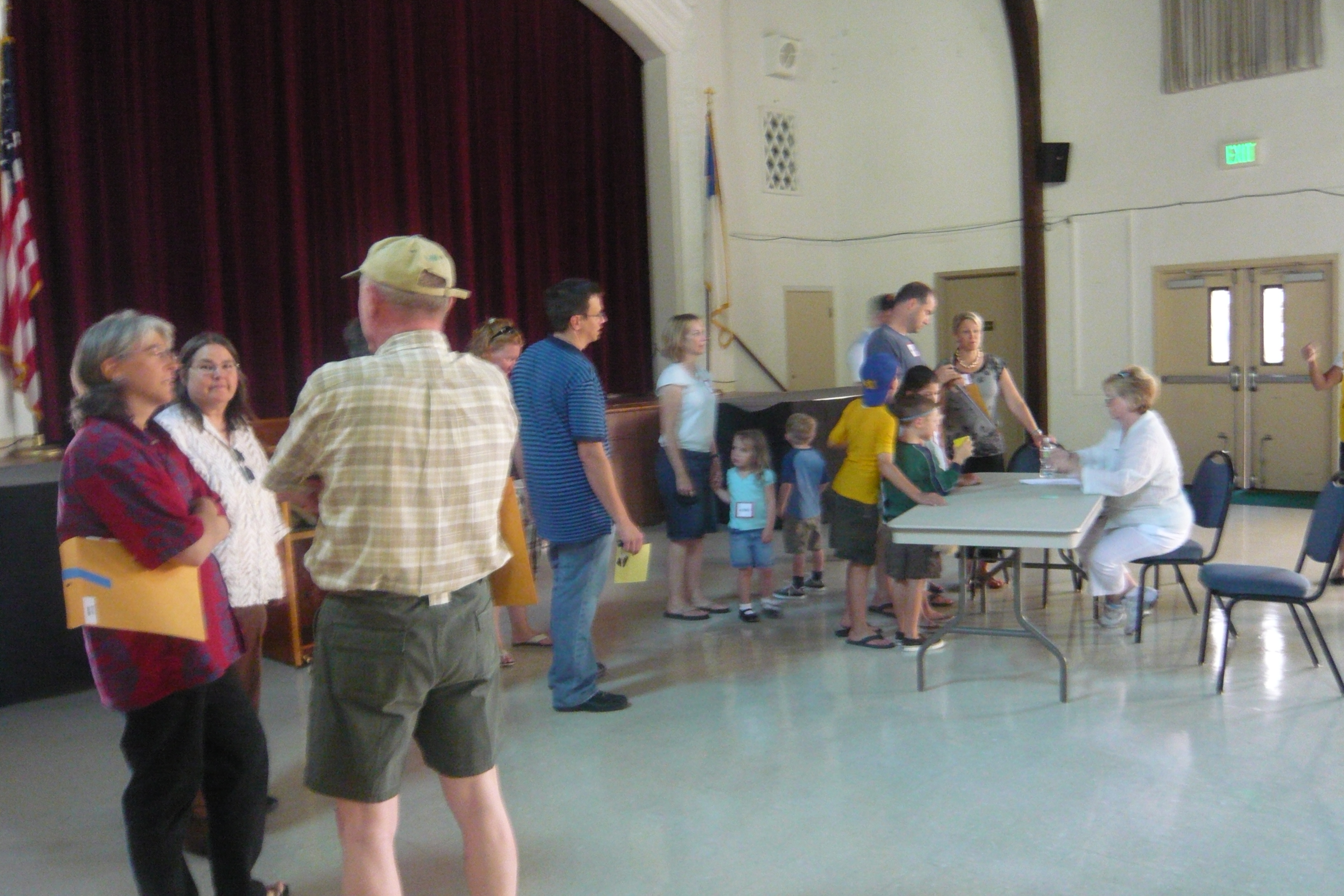
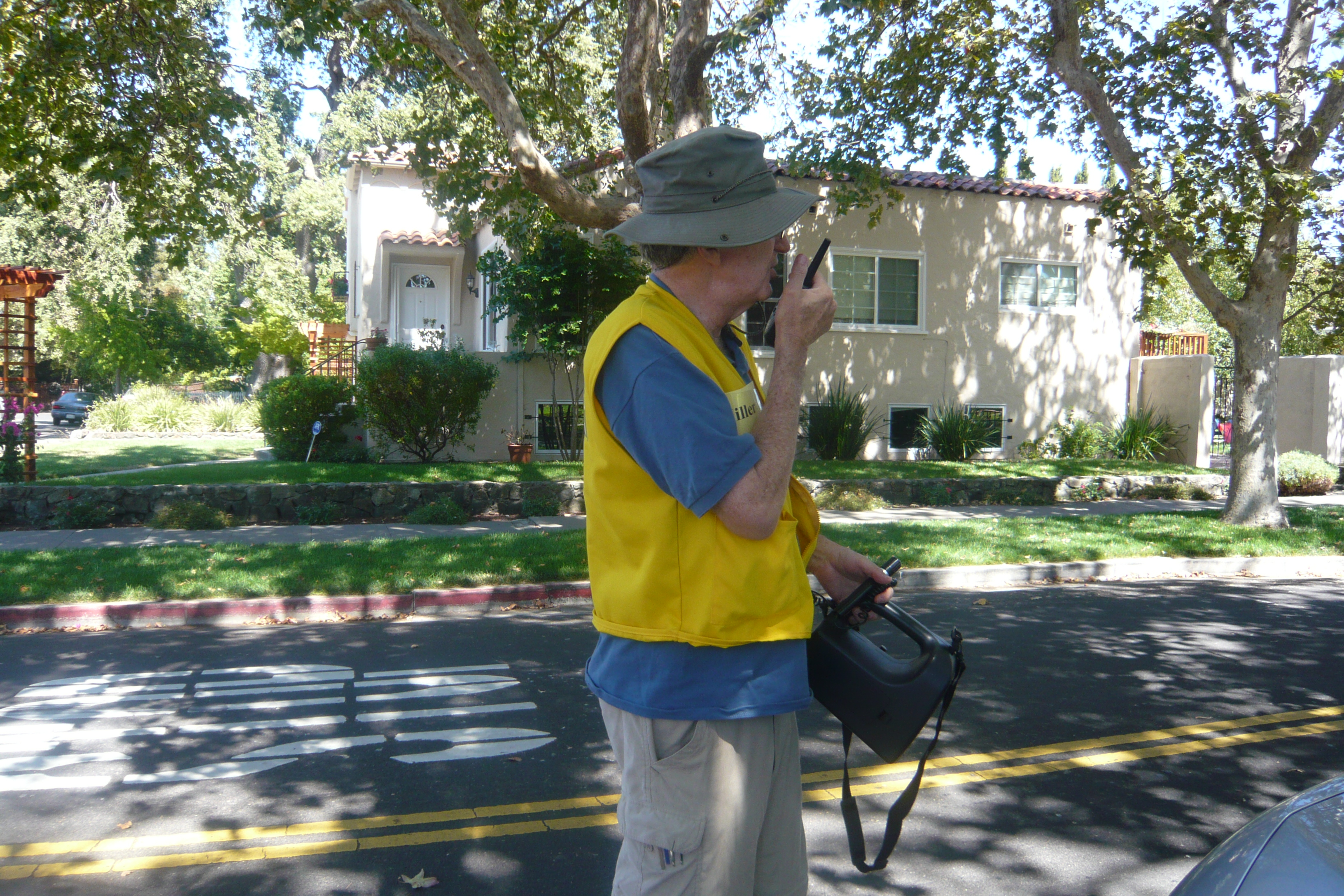
In preparation for the “Neighborhood Disaster Drill,” the PCN executive director and program coordinator, the project managers, were on the street seven times meeting with residents. They had the unique opportunity to stand on a street and observe as residents responded to their assigned earthquake scenarios. Finally, they had the privilege of meeting with the participating residents in the debriefing a few weeks after the drill.
They reported two overriding responses to these experiences. First, from knocking on the doors of the 38 homes in the recruitment phase, they were moved by the reality of the home of a 93 year old, a home with a young teen alone in the afternoon, and homes with individuals with various special needs. In each case, they recognized the need for greater support than will come through any level of individual preparedness.
The second significant response came at the two briefings for residents prior to the drill, observing their instinctual capacity to envision strategies for mutual support. Since it was important for these residents to be at the same level as the average resident, the staff had to cut off those discussions before the drill. In the post-drill de-briefing, the residents’ insights into the specific options for neighborhood “teamwork” were exceptional.
Key Recommendation - “Crews”
The PCN has addressed key challenges with the concept of the sub-division of the street into assigned neighborhood “crews” of eight adjacent homes (four on each side of the street). “Crews” will (1) increase the involvement of all homes in the personal and collective preparation process, (2) provide the basis for team- building based on the general guidelines for crews and specific needs of individual homes/individuals, and (3) create a predetermined cadre of liaison and backups from each “crew” to support the CERT person in the area.
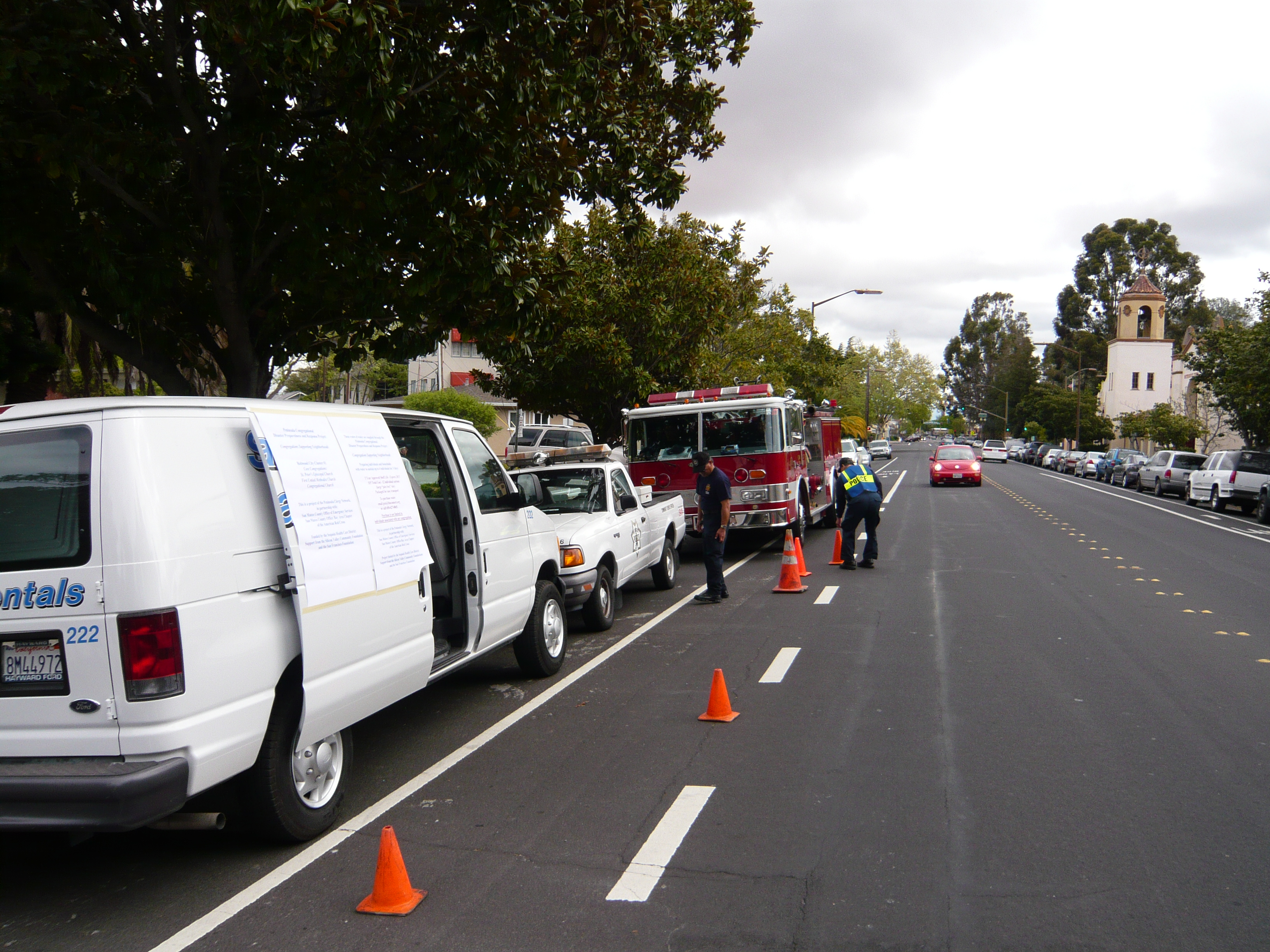
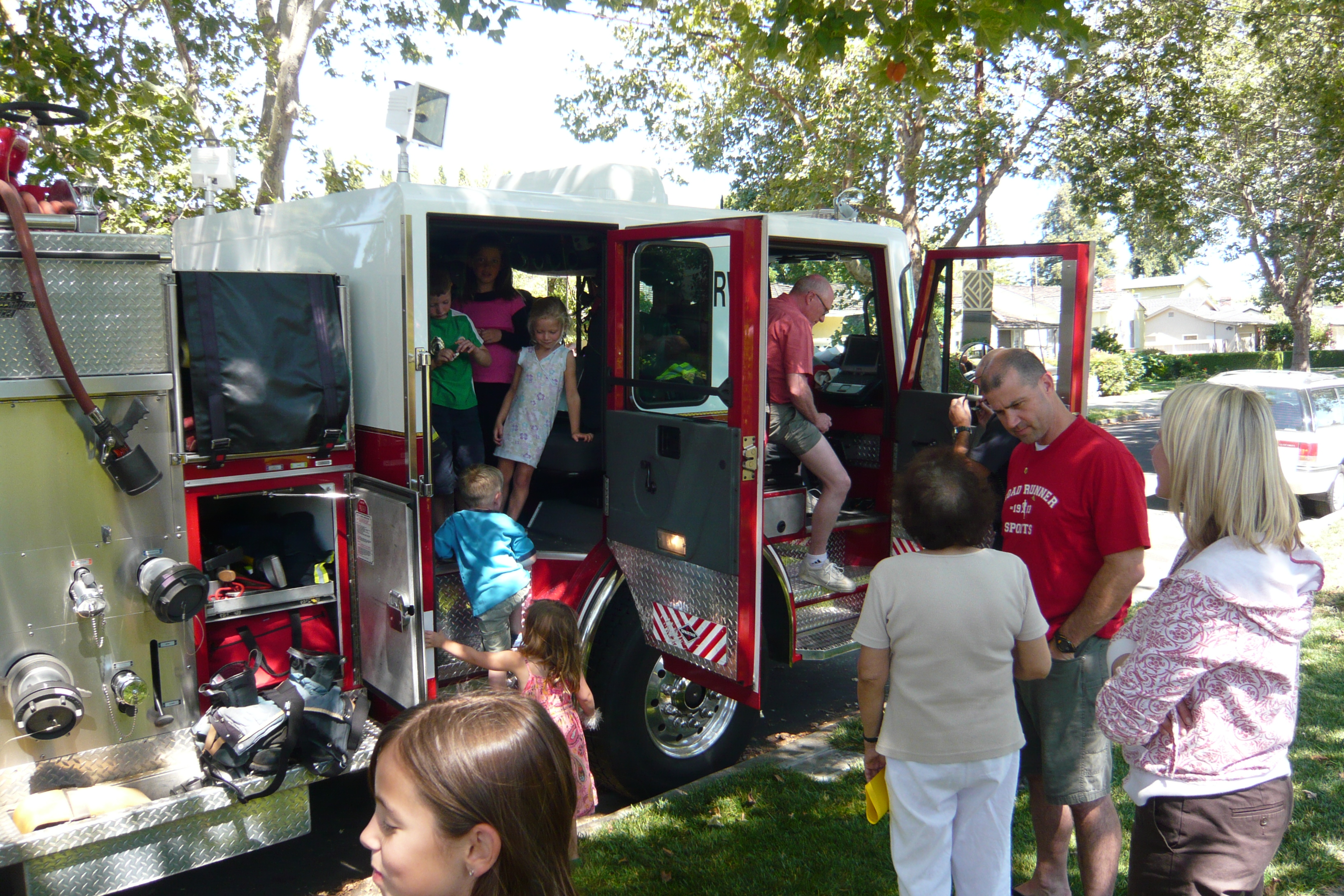
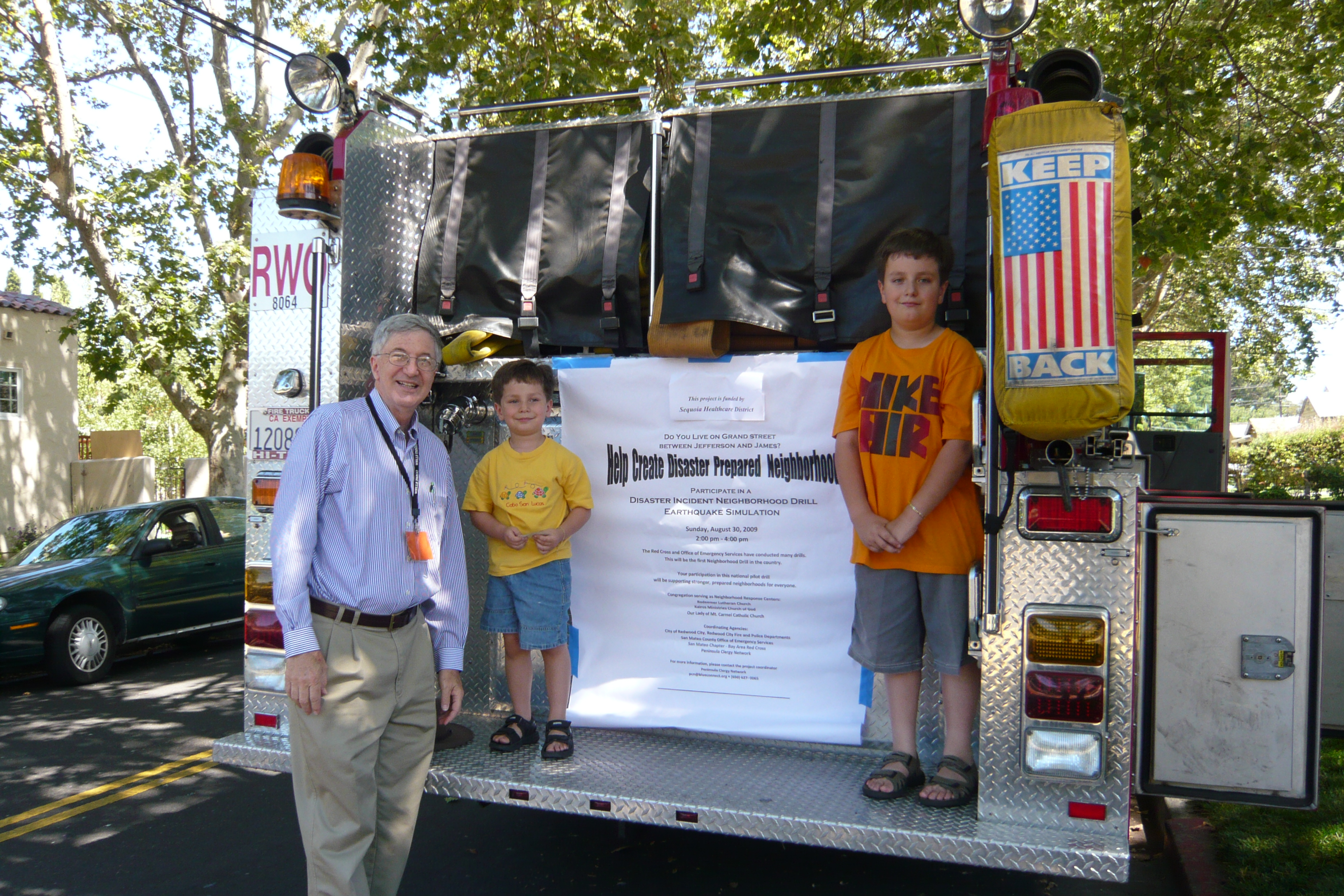
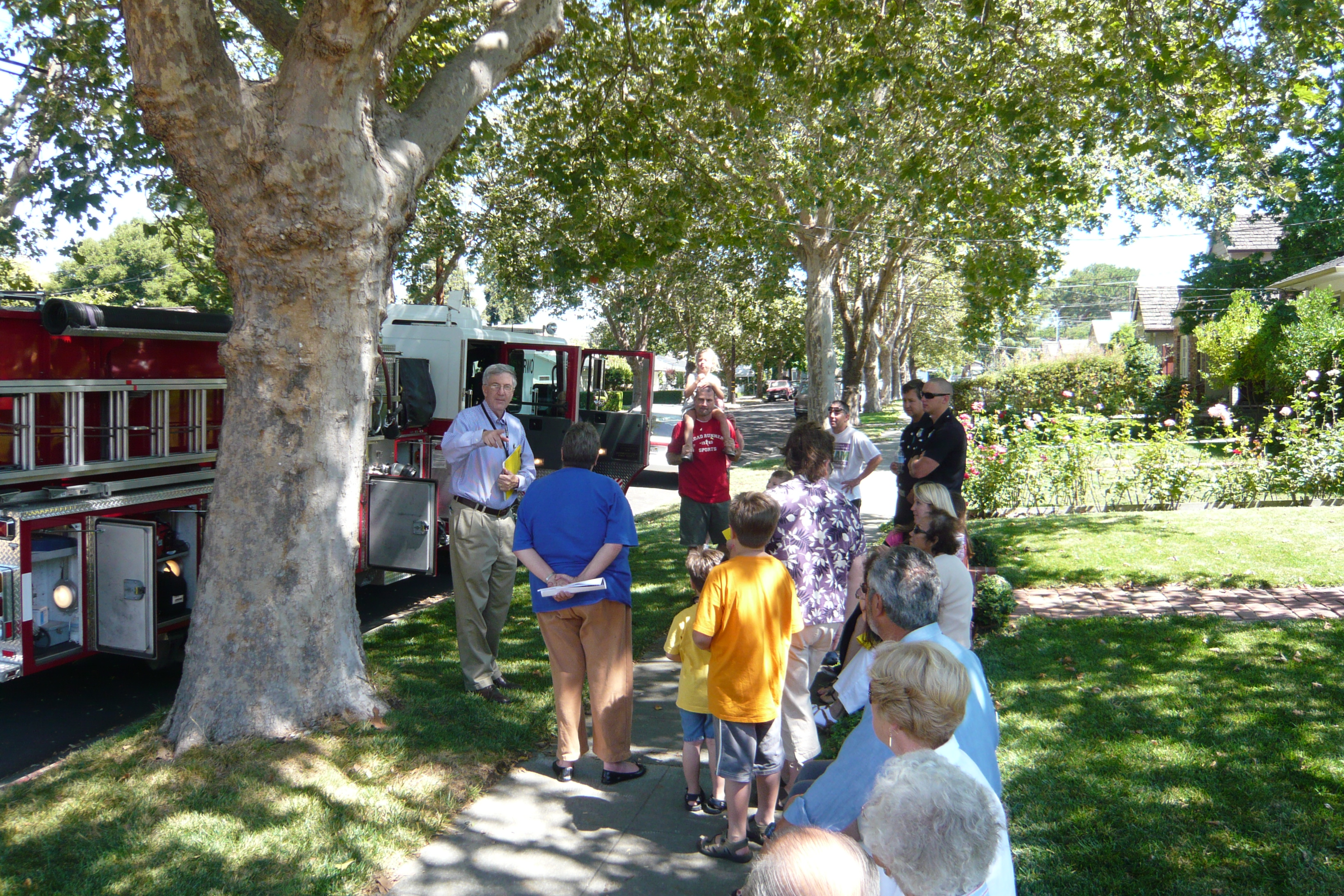
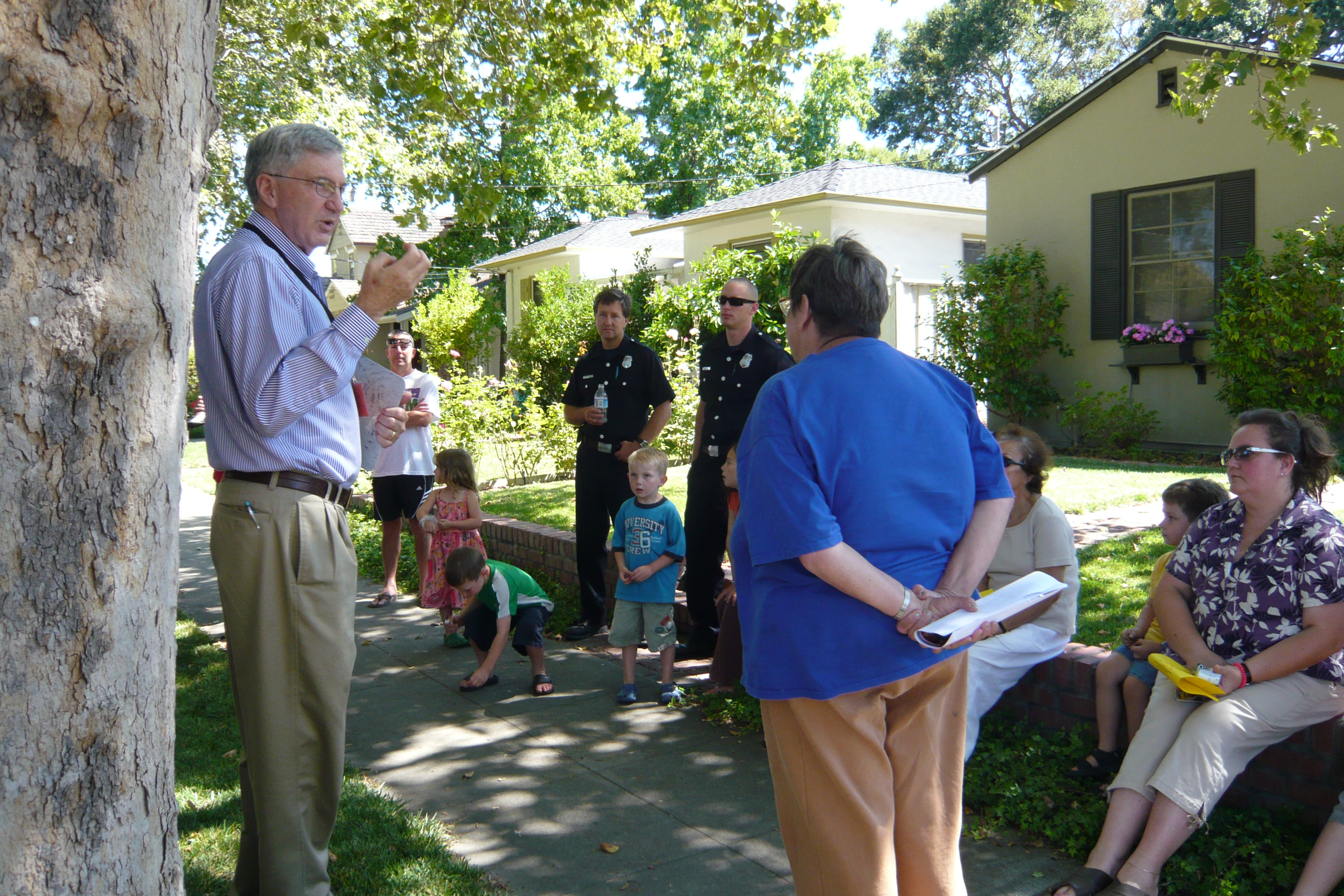
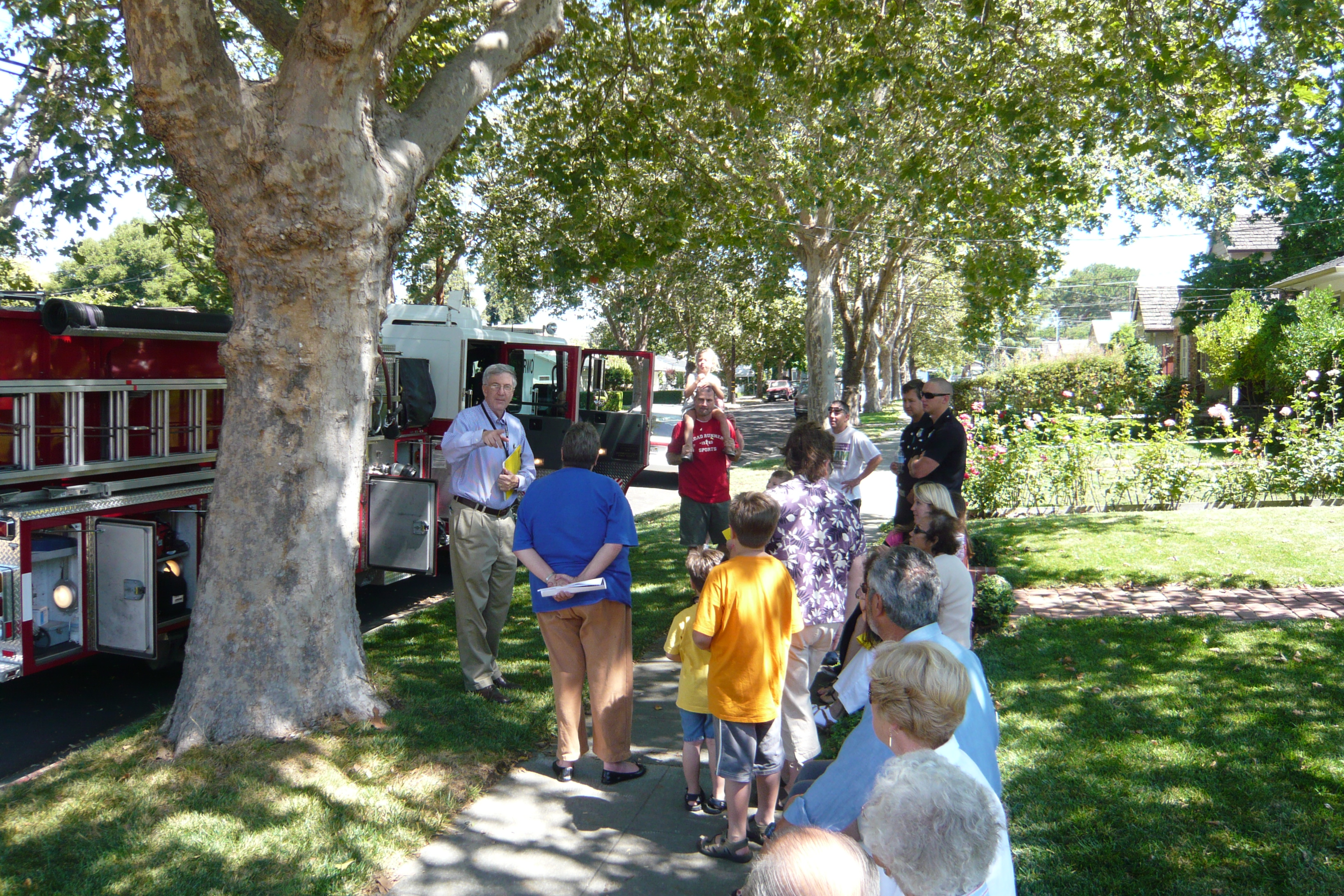
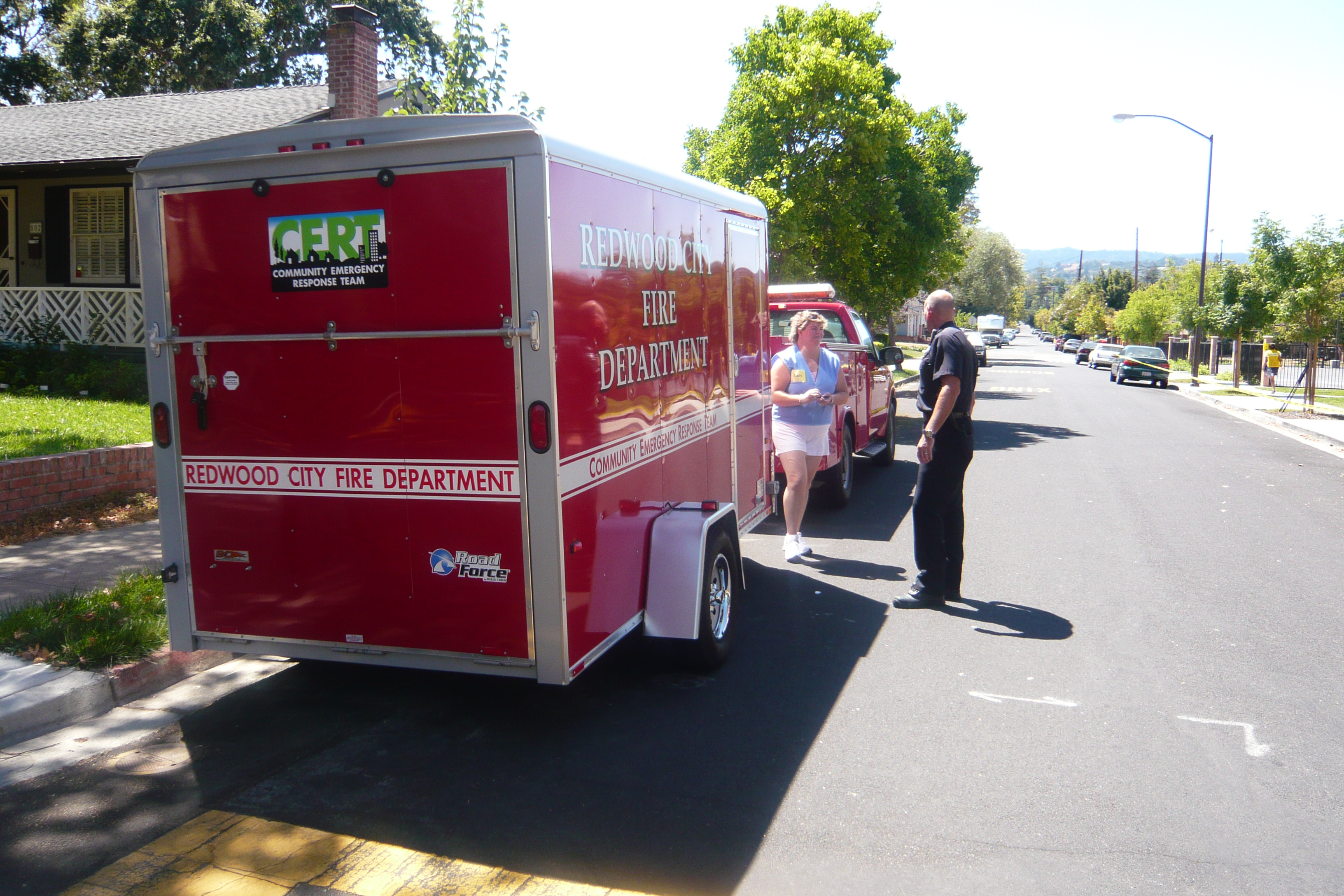
An additional key finding of the monitors came from watching the CERT person, who lives on that street, attempting to serve a total of 38 homes. This CERT person is well-trained and participates in regular CERT meetings. The scenarios provided a range of challenging situations. Observers noted how impossible it was for the CERT person to fulfill the expectation of evaluating the physical area and of recruiting individuals for needed tasks. This drill highlighted the limits of a ratio of CERT to home, which is significantly higher than 1 to 38 and not evenly geographically dispersed by neighborhoods. CERT individuals are being asked to engage vast neighborhoods where, in our society, individuals do not interact comfortably. This was confirmed by the “uncomfortable” nature of the initial encounters when the staff knocked on doors in the recruitment process. The staff was supported by an initial event on the street with a fire engine, offered by the Fire Chief, one of the many examples of the support contributed by the agency representatives assigned to the project by their agencies: OES, Red Cross, Police, Fire, and City Manager.
Based on this evaluation, the recruitment process will be utilized to provide designation of the crews and the guidance for the development of “crew” tasks. This would include, CERT contact, water/gas shut off monitor, home search coordinator, etc. There is now a design for the formation of “crews” and also a strategy to “spread” the model in various neighborhoods anchored by fire stations, CERT individuals and congregations.
Building on the Model – The Countywide Pilot
Those involved in the drill concluded that the assumption that it is possible under current systems to achieve a sufficient level of individual preparedness is not confirmed by the drill. However, this drill provides a model for an immediate response structure, which exceeds all current expectations.
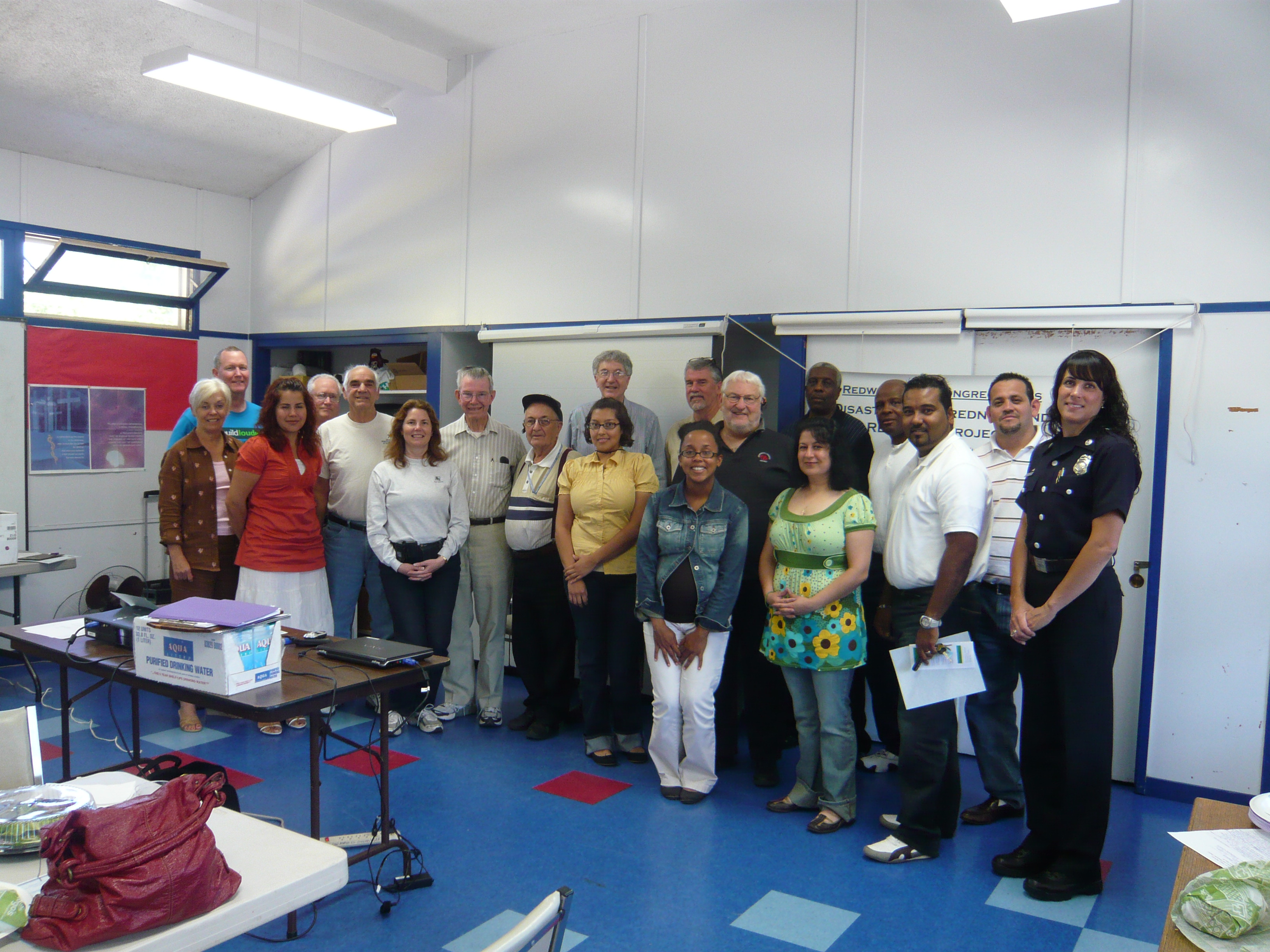
The congregational representatives deserve much of the credit for the formation of the components of this project. These representatives are the sources of so many of the operational advances in the plan. They are well supported by the agency representatives who are ongoing partners in advancing the project.
The PCN is now prepared to move to the county-wide pilot, the jurisdiction which forms the base of emergency response. In the countywide pilot the certificate process will be initiated with all 250 congregations. Locations will be selected for forming core congregation sites, establishing “crews” and conducting neighborhood drills.
The proposal planning for the full countywide pilot will provide the opportunity to bring together a wider range of stakeholders, not part of the city pilot. This will give them a chance to include and test components of their agency in the pilot. This would include hospitals, foundations, Homeland Security, businesses, etc.
Conclusion
This pilot has confirmed the initial assumptions and produced extensive, unanticipated data and recommendations. The project explored aspects of disaster response that simply have not been tested previously - critical aspects of individual preparedness and the opportunities for collective support structures at the street level in the first 3+ days of a disaster.
This project lead to the realization that congregations are not only “in” the neighborhoods, but they tap into an historic “instinct” and “experience” for serving people in their surrounding neighborhoods. That was at a time when congregations reflected the religion of the neighborhood. This project engaged the diversity of multi-faith congregations to service the multi-faith (or non-faith) residents in neighborhoods. Residents welcomed the idea that the congregations were the site of “Neighborhood Response Centers” and “Neighborhood Shelters” and the congregations’ engagement reflected their tradition of neighborhood support. This project, in conjunction with the congregations, revitalized the tradition of neighbors supporting neighbors.
THE CERTIFICATE AND TRACKING SYSYEM
To be certified as a congregation that is prepared in the event of a disaster, the congregation must fulfill requirements in these areas:
1. Establish status as core or support congregation.
A. Designate DPR pilot representative
B. Form DPR congregational team
2. Complete DPR questionnaire
3. Institute disaster response briefing for meetings, events and worship
A. Monthly in worship
B. Routinely in meetings & events
4. Sponsor water distribution for congregation and neihborhood
5. Conduct trainings
A. Staff - Facilities procedures at time of disaster
B. Personal - “Are you ready?”/CERT
6. Conduct worship service and religious school disaster drill (twice yearly)
A. All worship services
B. All religious school classes
7. Conduct site survey
Partner community agencies
Redwood City Fire Department
Redwood City Police Department
Redwood City City Managers Office
San Mateo County Office of Emergency Services
Bay Area Chapter of the American Red Cross
0 comments