I was a Red Cross Mental Health Volunteer at Katrina...
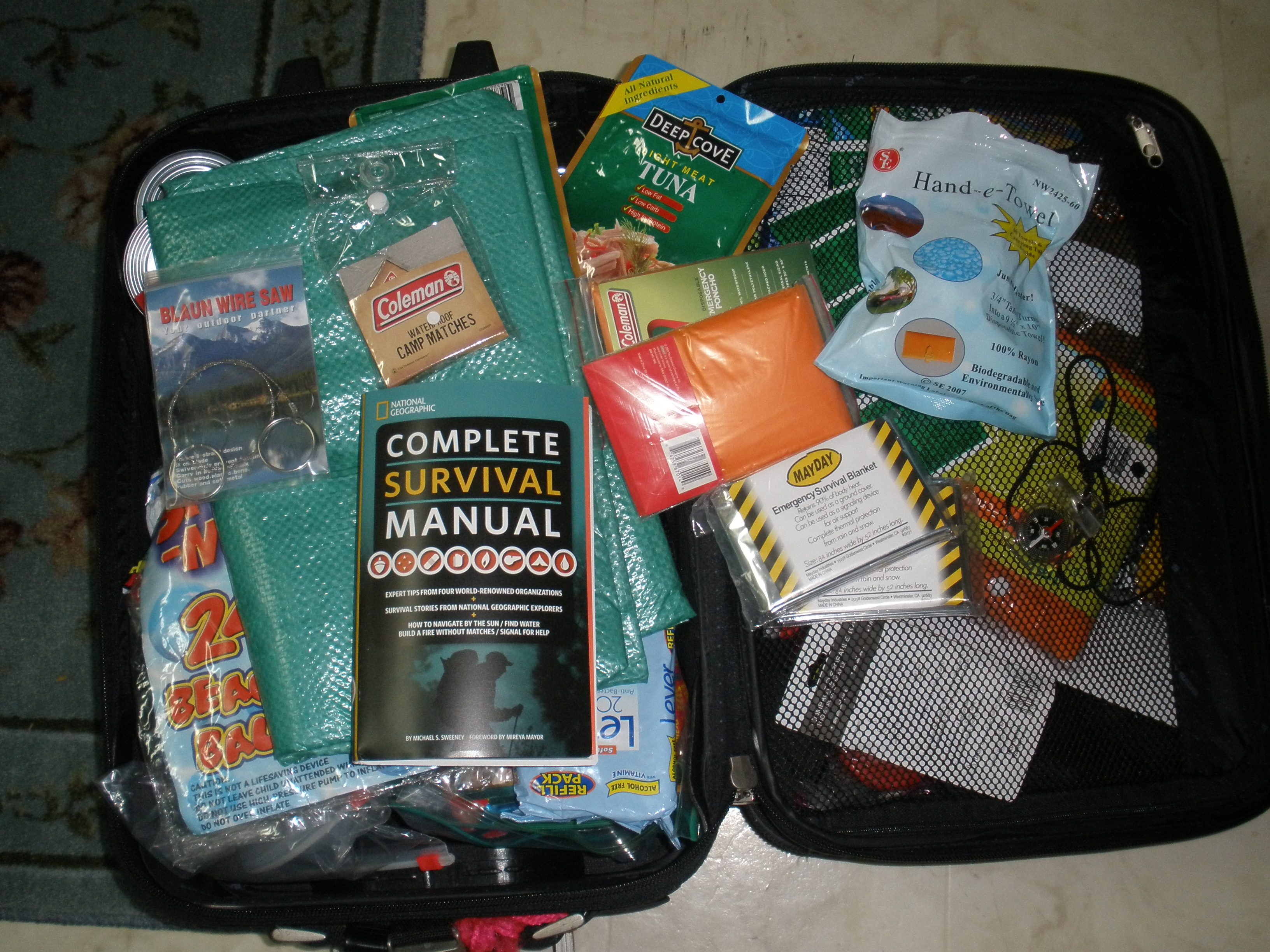
...and boy, did I learn a lot! First, NO ONE is going to take care of you...at least not right away. Even the Red Cross and Salvation Army have to get set up. I now have an old rolling suitcase with gallons of water and an assortment of survival gear that would impress the Army Rangers. People need to understand that even with a gallon of water and a flashlight, you're better off that most Americans, at least currently.
Education is a must. I'm originally from California and we always had a stash of "earthquake food" - you know, the stuff you'd never actually eat unless it was a real emergency (e.g., Vegall, vienna sausages). You can buy that stuff once or twice a month and amass quite a bit over time. Assume you'll have to be mobile, maybe even on foot (hence the rolling suitcase). Learn what can kill you (uummm...let's not play in the flood waters, there's poop in there) and what can cause more trouble than you'd think...candle cause more fires than the disasters do sometimes!
I worked on two post-disaster FEMA mental health contracts - one for a flood in 1994 and one for a tornado in 2007. They were both huge wastes of money, but I'll not go into that now. During the 2007 contract I gave talks about mental health and disasters. At the end we had a sort of "scavenger hunt" where they had to answer questions correctly to get a stamp on their paper corresponding to a disaster kit necessity (for example, those multipurpose tools and those silver emergency blankets). Then we gave away door prizes that were disaster kit-related. These "savenger hunts" can be done at virtually any public get-together - PTA meetings, health or wellness fairs, rotary club meetings, churches - nearly anytime people gather, this game format can be used to get people involved in preparedness. Knowledge is power, and knowing you can take care of yourself gives a better sense of emotional well-being than any government agency can provide.
0 comments