FEMApp - Mobile Applications For FEMA Employees And The Public Utilizing GPS
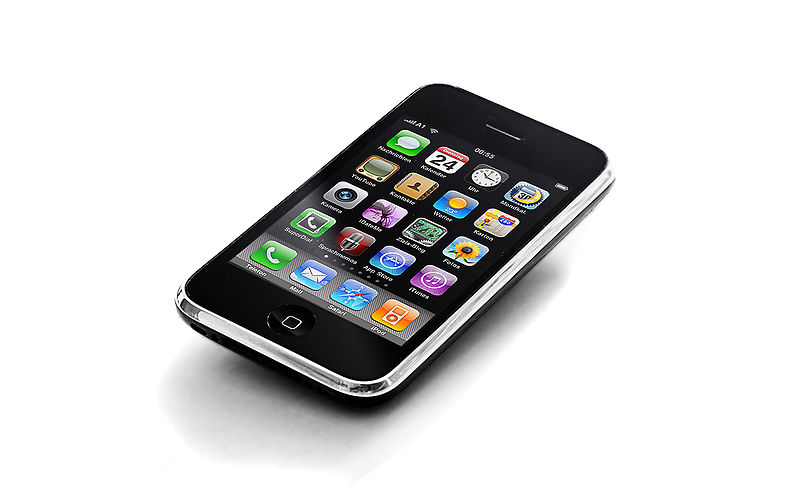
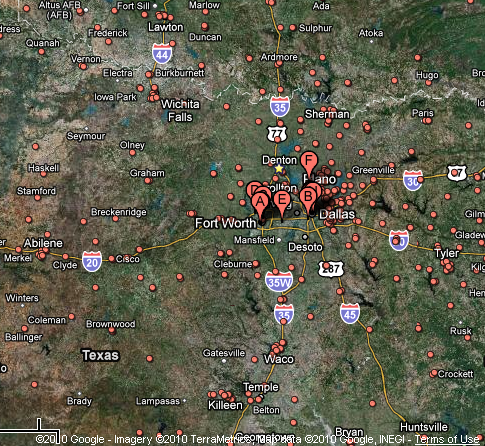
My idea is basically two ideas that are based on the same technology - Global Positioning System (GPS) in mobile devices.
Existing technology, which embodies GPS and mobile devices, easily facilitates added security and response time for FEMA. By employing this extant technology, accurate locations and sensitive response time during disasters is expedited and enhanced.
Exponentially, Government agencies become more mobile via new technology. Unquestionably, the use of GPS enabled devices such as smart phones and laptops will continue to grow. Because the new technology exists and is readily available, FEMA should strongly consider utilizing GPS technology in the devises issued to their employees such as the Blackberry, iPhone, and Android smart phones: greatly enhancing FEMA response efforts. The new location based data-set could well be integrated into the Automated Deployment Database (ADD) with mapping solutions readily available from Google Maps, Google Earth, or OpenLayers creating interactivity and visibility allowing better, more accurate, and rapid deployment to disaster victims.
Installing and facilitating this technology, during a disaster, FEMA would create the ability to significantly reduce response time: locating their closest and adequately skilled personnel and deploying them to the field to provide the necessary support. FEMA would, without question, allow for a much quicker response time to aid the public when needed the most. Location-based deployment allows for a quicker first response and additionally allows time for Disaster Assistance Employees (DAE) to arrive. The ability to deploy FEMA employees based on their location and their skill set would help save money for the agency.
FEMA likely has the capability to develop applications or “Apps” for smart phones the public can install. This App would run in the background of the device and allow for GPS location data to be transmitted from the public to FEMA. When a disaster strikes, FEMA sends a message through the App and directs the public, based on their location, to the closest shelter or area for local help. During the disastrous Tsunami of 2004, Sri Lanka cellular telecoms sent text messages to those who were roaming on their network, to provide a number for tourists to call for information and aid.
Currently, when the Emergency Alert System (EAS) is utilized by systems like NOAA’s National Weather Radio (NWR), warnings are typically generalized to a specific county of a state. These alerts are often discredited by the majority of the population as counties can be large; and the warning is not specific to an area of the county. Consequently, while the danger might be close by, warning is often discredited and considered irrelevant. The ability to alert the public through the App of localized and relevant impending danger would greatly aid in saving life.
Smart phones are continually evolving and strive to develop new ways to interact with people. Currently, most smart phones contain a microphone, motion sensor, and GPS. All of these features should and could be utilized. This new ability would aid officials in directing their efforts to save the living, injured, and hold efforts on recovering casualties: the App could detect sound, motion, and the location of people in collapsed buildings and aid in direct recovery efforts.
In the event of a cellular outage or a disruption of data service, the App on the mobile device would no longer communicate with the FEMA servers. In this scenario, if a pre-determined percentage of a localized population suddenly stopped communicating, the system would act as an early warning system for FEMA. Detecting a possible unforeseen disaster allows FEMA to be proactive. The system and App would also be indicative of the last known location of the public at the time of service disruption. As the location data becomes crucial for rapid aid and recovery, Cellular on Wheels (COWs), Site on Wheels (SOWs), and Cell in a Box (CIAB) can all be deployed and strategically placed by the visualization of an outage area to aid in the restoration of temporary data services.
The location system would both detect and color code the general population and those Agencies involved with aid. For example, the general population would display green; FEMA, blue; Red Cross, Red, etc. In either scenario with or without data communication, real-time or stored location data would allow FEMA to determine exact locations; strategically placing Joint Field Offices (JFOs), Mobile Disaster Recovery Centers (MDRCs), and the direction of recovery efforts. Situations like Katrina involving the unknown New Orleans Convention Center as a disaster center would be avoided.
The public’s GPS data would also facilitate FEMA and other agencies with quick estimations of casualties to long term planning. During the Tsunami of 2004, approximately half of the text messages sent to the tourist were never received. The devices that did not receive the messages were considered destroyed which provided a basis for the possible number of tourist casualties. FEMA would have real-time information on where people are located at all times and strategically plan where to send help and appropriate efforts if a disaster were to hit during any hour of the day.
For public acceptance of the use of the location data by the App, FEMA would need to guarantee to use only anonymous data from the public for emergency and/or planning purposes.
References:
http://www.nyu.edu/ccpr/pubs/NYU-DisasterCommunications1-Final.pdf
http://www.pcworld.com/article/119087/asian_telecom_carriers_mobilize_after_quake_tsunami_disaster.html
0 comments