EOC Integrated Citizen Research, Training and Response
The Florida Keys Environmental Coalition
An Expandable Model for Emergency Response
Abstract:
The Florida Keys Environmental Coalition represents a comprehensive community wide initiative established to prepare and utilize local resources to enhance the effectiveness of EOC and Incident Command in responding to natural and manmade threats and emergencies. This approach relies on community wide municipal support, open membership to organizations, businesses and individuals, development of local knowledge, defining specific locally optimized techniques and coordination with the County EOC and appointed Incident Command via the National Incident Command System.
Introduction:
The inertia behind this approach and FKEC.org were spurred out of the Deep Water Horizon Oil Spill Disaster in the Gulf during the spring and summer of 2010. The residents of the Keys by nature must live in a state of preparedness for emergencies. Residents expect much of themselves and their communities by being self-reliant, responsive and coordinated when any event presents a challenge. Keys residents are practiced and confident in their ability to withstand, endure and recover from many natural disasters like hurricanes. The typical resident not only has force protection for their homes, but all of the recommended emergency equipment, generators and water storage systems to survive for weeks if necessary.
Perhaps more than most areas, the Florida Keys are a sort of “eco-mecca” in terms of the density of eco-interactive and knowledgeable focus groups, like Audubon, Reef Relief, Oceana, The Nature Conservancy and many other accomplished organizations. Most local businesses are co-dependent on the health of the eco-tourism trade. Most residents have a fundamental knowledge of the environment and the emergency systems within the county, along with sense of self-reliance and a passion to protect these ecosystems from which many earn their livelihood.
Problem Statements and Solution Plans:
The Problem and Improvement Plan Statements can be defined into a few basic categories. In general, the threat of oil pollution in the Keys was unsettling throughout the community. Comments from elected officials about everything being “under control” were even more unsettling, since the obvious reality was that the Keys could be in a fairly defenseless position, should oil engage the “Loop Current” and make its way to the Keys.
Citizen initiatives to organized and provide a local response in the Keys marshaled the largest volunteer response in the State of Florida and the entire Gulf coast. There was little, or no viable means to properly train, organize and utilize these knowledgeable and motivated resources.
1) Lack of knowledge for proper response given the threats:
The majority of the preplanned response was in placing oil booms to retain and skim oils using low volume recovery techniques that proved inadequate in the northern gulf. Many areas had no planned protection such as the western side of Florida Bay. The arrival of oil, given those techniques, would have meant unrecoverable devastation to the ecosystems of the Keys.
Improvement Plan:
FKEC.org members rallied around local technical knowledge. The Florida Keys Community College (FKCC) marine science program along with numerous local marine biologists, engineers, business leaders etc, formulated a science team, which continues to investigate, develop and test acceptable response techniques for the Florida Keys ecosystems. The resulting work will yield a continuously improving matrix of techniques that can be applied as best practices given any particular threat scenario.
2) Lack of training and integration of sufficient local resources into response plan:
The EOC and Incident Command had little, or no ability to quickly identify, train, or coordinate local resources if needed. ICS plans to utilize local resources where non-existent. Qualified local resources bring critical knowledge that enables a more robust and motivated response. The ability to prepare and engage local resources for both a rapid and sustained response did not exist.
Improvement Plan:
FKEC.org also includes certified national incident commanders and a system for chain of command which in some cases is based on required certifications. With a large database of volunteers, including many Hazmat certified respondents, registered captains, numerous vessels, etc., FKEC continues to assess, train and organize available local resources. The characterization and mobilization plans for these resources are formatted to the Incident Command System (ICS) project management system for direction by County EOC and any local Incident Command when activated.
Identifying, training, and exercising this volunteer base means available auxiliary emergency response resources are timely in the event of a impending threat of any type.
3) Lack of strategy to include of community into preparedness planning:
Strategic initiatives were non-existent, or ineffective in soliciting qualified local input and consolidating a comprehensive understanding of how local resources can be used to improve preparedness. Existing expertise co-exists independent from the organizational government bodies, which have defined the response plans for emergency health, safety, and ecosystem threats. Local governments were not comfortably cognizant of action plans and proper support roles that they, or citizens should play.
Improvement Plan:
FKEC.org, petitioned for and received support from each organized community in the Florida Keys. In complete unanimity, each municipality resolved that FKEC would provide unified voice for our community in improving response techniques. The ability to prepare and engage local resources for both a rapid and sustained response is critical to a timely and appropriate response.
FKEC initiatives include the use of local scientific, technical and organizational resources to provide research on proper response techniques, such as analysis of dispersant alternatives, air-curtain entrainment systems, bio-remediation techniques, Hazwoper volunteer training (via FKCC) and organization, and the definition and integration of resources and response plans with Monroe County EOC.
Strategic initiatives seek to formalize planning to include both Non-Governmental Organizations (NGOs) and Government Organizations (GOs) (NOAA, EPA, FEMA, FWC, FDEP). Such integration provides for more comprehensive planning, engages the private community further and enables the development of locally sensitive best practices for any given response. It does little good to employ a response technique that results in the destruction of the eco-system one is trying to protect (e.g. the use of toxic dispersants).
4) Poor communication with concerned community:
When the event broke, elected community leader’s sole response was that “the situation was under control”. Soon it was evident that the level of “control” available meant that oil entering the Keys waters would result in devastation. Communication with the public was largely left to news organizations with few government initiatives to proactively provide information to the community. When information was provided, repeatedly there was large disparity between “on the ground” accounts from people and officials in afflicted communities, versus the published accounts of the US government.
Improvement Plan:
As part of the ICS planning, the ability to notify and communicate effectively with the community is paramount in providing resources when and where necessary. Local private databases are now more formalized and ideally this program will expand to establish a local email and text-messaging database for communicating effectively during emergencies with a large portion of the resident community.
Initiatives:
As part of FKEC.org focus on eco-system threats, the organization is pursuing several strategic initiatives to improve the health and resiliency of the Florida Keys ecosystems.
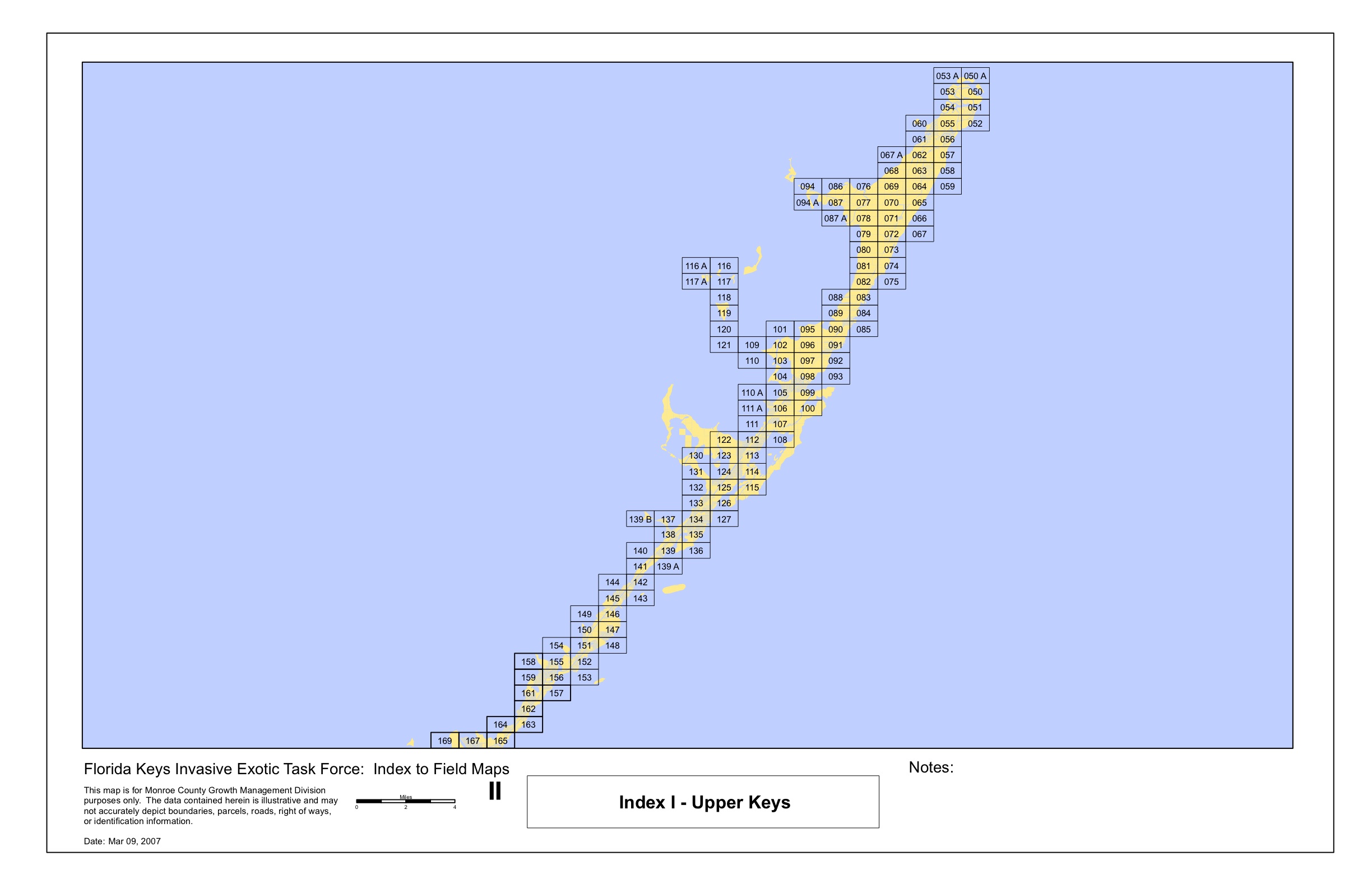
DATA Project:
The DATA project trains and uses local residents and visitors to help establish a scientific baseline of the status of the Keys ecosystems. By empowering the citizen data collection process the number of samples and areas of documentation will increase exponentially over more traditional techniques. Participants are trained and open to submit data under the level of their qualification.
Over time the DATA project will provide a baseline of the health of the Florida Keys and assist in documenting trends, and cause and effects that may be occurring within the eco-systems.
Living Filter Feeder Project:
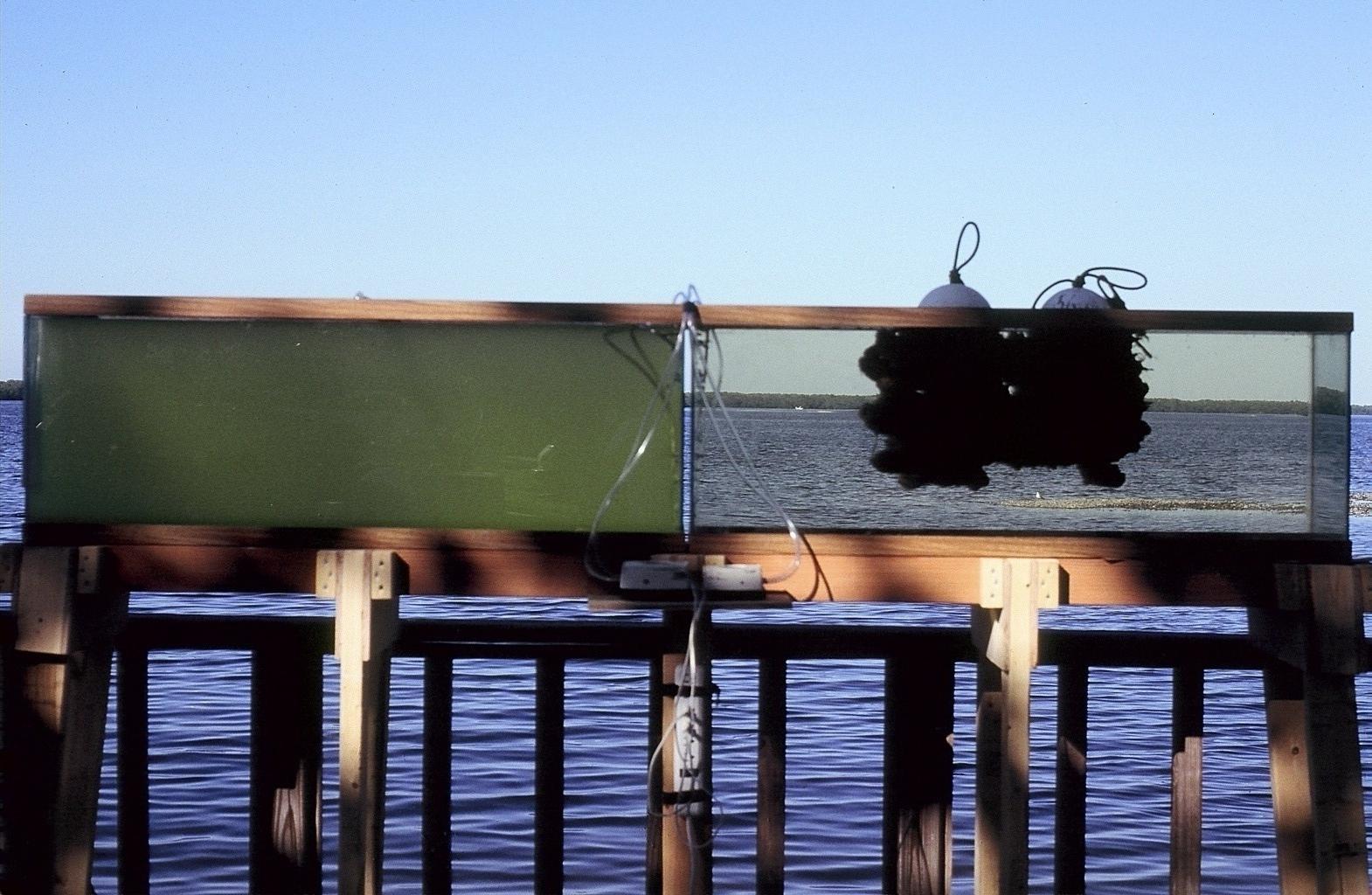
The Living Filter Feeder program is a scientific approach to re-establish floating gardens of indigenous filter feeders within algae laden waterways within the Florida Keys. Years of high nutrient pollution from septic systems within the Florida Keys serve to deplete oxygen and increase water temperatures. The elevation of temperature is one of the leading concerns for coral health. By establishing healthier ecosystems, they will be more resilient to eco-threats that may emerge in the future.
ICS Planning and EOC Integration:
FKEC.org continues to expand planning for ICS integration. Qualifying and incorporating local resources will continue to improve the ability of the County EOCs and any established Incident Command to respond quickly and effectively.
Conclusions:
FKEC represents a replicable model to expand to other communities. The concept, while developed in response to an eco-emergency, is adaptable to all other community emergency responsiveness needs. Once resources are trained, organized, addressable, and responsive, the use of the resources is available to EOC needs.
Success of this type of organization requires the support of local municipalities, inclusion into County EOC, cooperation between GOs and local NGOs, scientific, technical and expert resources, training, periodic response practice and establishing and maintaining communication databases.
0 comments