Encultured Disaster Management
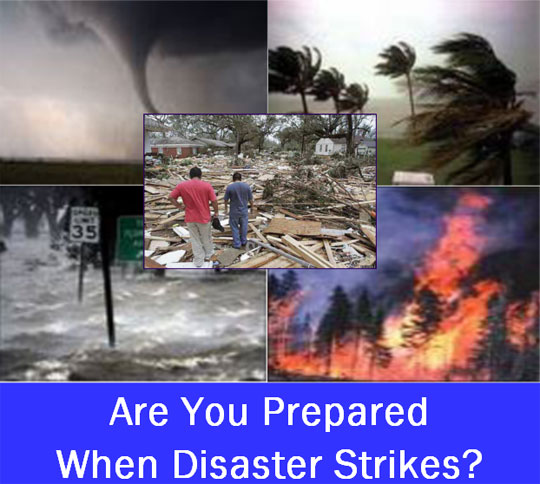
Disasters occur when the settlement of human societies entrench themselves in an ever changing landscape. Abrupt disruptions within the physical environment can wipe out resources, supply lines, and infrastructure that a society depends on for sustainability. Disasters can define a loss of social organization that can signal the failure to adapt. Recent anthropological studies tend to view disasters as a test revealing the societies strengths and weaknesses by their response to a disruptive event. What happens to that societies future vulnerabilities to disaster will depend on the comprehension that the risk of a natural disaster may have existed before settlement occurred and may potentially happen again in the same location.
A culture becomes stimulated to change by catastrophic events by relocating and or formulating pro-active solutions by pre-disaster planning to reduce risk. Probability, data from past damage, and public support may facilitate a disaster plan, however, it is the importance placed on risk management that the social organization makes it their primary function. Evidence suggests lack of pre-disaster planning causes the repeated and eventual decay of a culture.
The traditional theory is that the individual must prepare for disaster with the idea of no help from an outside source for 72 hours. In other words, it is the individual’s responsibility to prepare themselves in a disaster situation, due in most part to first responders being directed to the hardest hit areas and primary supply lines being damaged or destroyed.
An international non-profit agency has a pro-active solution to help aid in their humanitarian efforts by storing supplies at various sites within each individual chapter’s boundaries. My solution is much like theirs only at the community level. The encouragement of a disaster kit per household should still be the first line of defense to the individual, but have a strong secondary outlet. The mass storage of goods in various locations throughout the community could serve as a base of operations for this idea.
Just as recycling has become a fundamental practice in most schools, so can emergency preparedness.
My suggestion is to start with the youth and have the importance of EM become fostered and encultured. An elementary school can act as the community’s citizen operations center where storage units can be housed and maintained by the children and faculty. The injured can be directed here also in the event of a disaster, where EM teams can determine need and therefore not overload hospitals and first responders.
If we can manage the social chaos that can sometimes happen after a disaster by developing a program of youth involvement centered at school, the needs of the community affected can be sustained for a longer period of time. This can also decrease the need for outside aid and increase community awareness that is essential to maintaining social organization and order.
0 comments